Understanding Complex Regional Pain Syndrome (CRPS)
Complex Regional Pain Syndrome (CRPS) is a chronic pain condition that often develops after an injury, surgery, stroke, or heart attack. This syndrome is characterized by continued, debilitating pain that is disproportionate to the initial injury. While it is most commonly associated with a limb, CRPS can affect other areas of the body as well. Understanding CRPS is vital for proper management, as it presents a range of symptoms including severe pain, swelling, and changes in skin color and temperature. Early diagnosis and individualized treatment strategies can significantly improve quality of life.
CRPS is often divided into two types:
- Type I: Previously known as Reflex Sympathetic Dystrophy (RSD), this type occurs without a confirmed nerve injury.
- Type II: This type, also known as causalgia, involves a confirmed nerve injury.
Patients experiencing CRPS may feel isolated and frustrated by their symptoms, which often include hypersensitivity, muscle spasms, and abnormal sweating. Interventional pain management strategies focus on alleviating these symptoms and addressing the underlying causes of pain.
Recognizing the Symptoms of CRPS
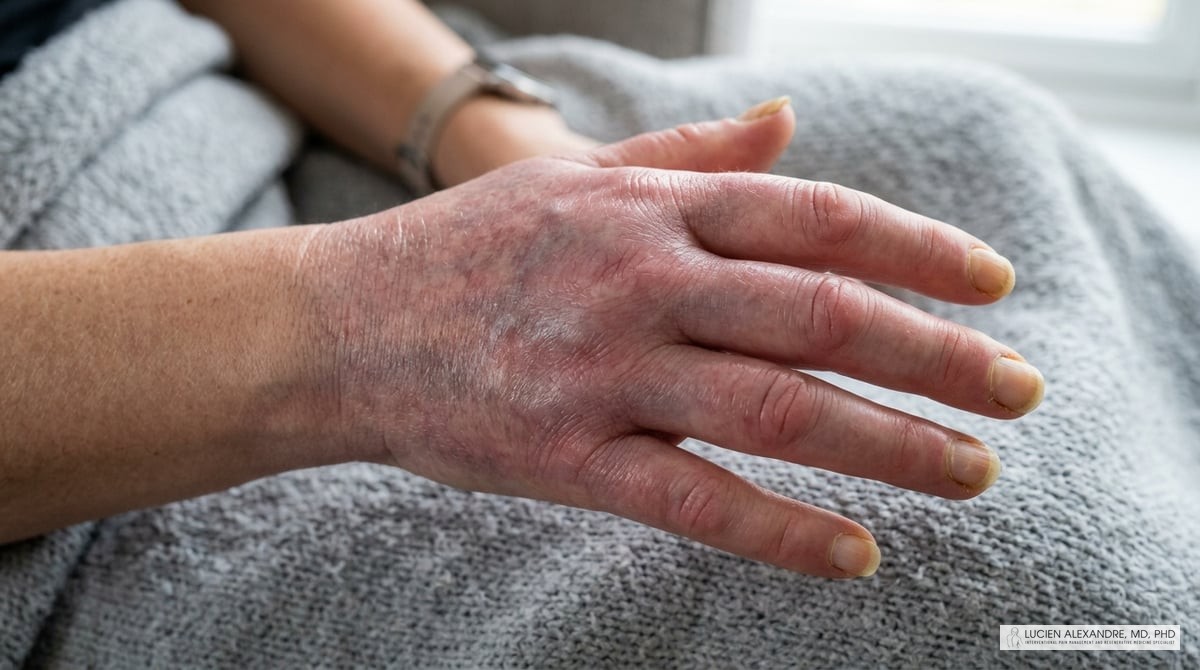
CRPS presents with a variety of symptoms that can evolve and intensify over time. Some common symptoms include:
- Pain: Often described as burning, aching, or throbbing, pain is the hallmark of CRPS.
- Edema: Swelling may occur in the affected limb, with a noticeable change in size.
- Skin Changes: Skin may exhibit changes in temperature and color, often appearing flushed or pale.
- Altered Sensation: Patients may experience hyperalgesia (increased sensitivity to pain) or allodynia (pain from stimuli that normally would not cause pain).
Understanding and recognizing these symptoms is crucial for timely intervention and preventing the progression of the condition.
Diagnosing CRPS: A Comprehensive Approach
Diagnosing Complex Regional Pain Syndrome can be challenging. It often involves a combination of clinical evaluation, patient history, and various diagnostic tests to rule out other conditions. Physicians typically follow the Budapest Criteria, which include:
- Continuing pain, which is disproportionate to the initial event.
- Evidence of edema, changes in skin temperature, or color observed during the examination.
- Exclusion of other conditions that may explain the symptoms.
As a pain management specialist, my approach to diagnosing CRPS involves a thorough examination and assessment of symptom history, combined with advanced imaging technologies when appropriate. This process not only aids in confirming the diagnosis but also helps in selecting the most effective treatment strategies tailored to the individual’s needs.
Treatment Options for CRPS
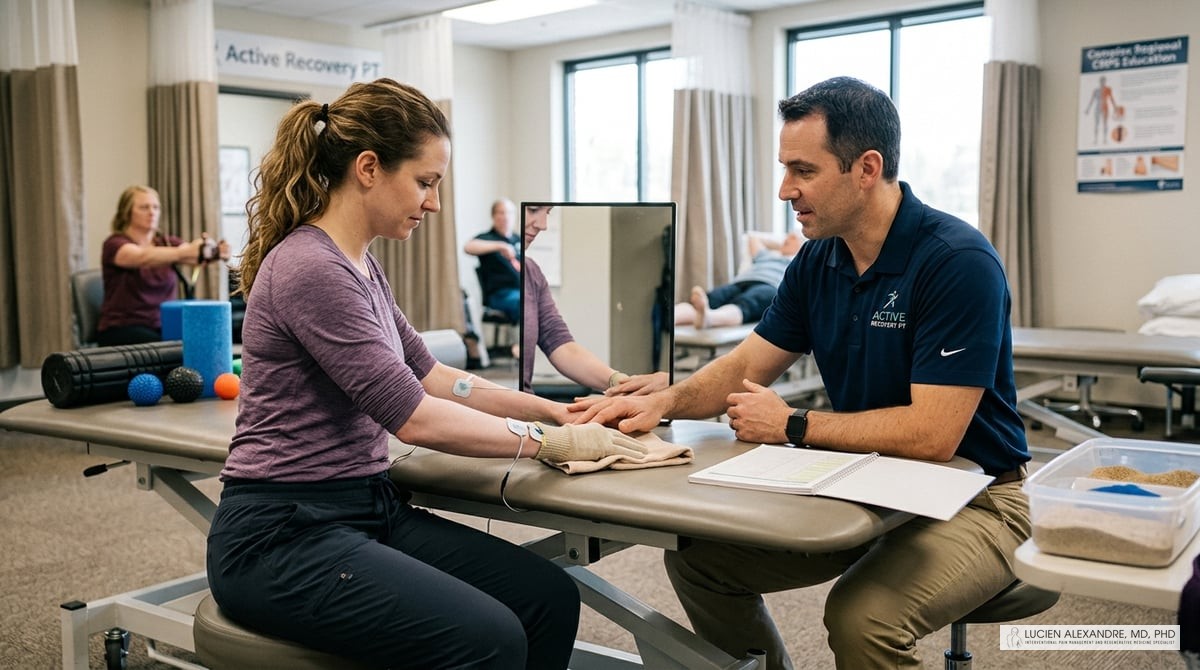
Managing Complex Regional Pain Syndrome effectively requires a multidisciplinary approach. Treatment options may include:
- Medications: A range of medications may be prescribed to manage pain, reduce inflammation, and promote healing, including anti-inflammatory drugs, neuropathic pain agents, and injections.
- Physical Therapy: Rehabilitation plays a crucial role in improving movement and reducing pain. Patients are guided through exercises that promote strength and flexibility.
- Psychological Support: Cognitive-behavioral therapy and counseling can help address the psychological impact of chronic pain.
- Interventional Procedures: For patients who do not respond to conventional treatments, interventional pain management techniques, such as nerve blocks and spinal cord stimulators, can be highly effective.
Each treatment plan should be tailored to the individual, with a focus on minimizing pain, restoring function, and improving overall quality of life.
Living with CRPS: Practical Strategies
Living with Complex Regional Pain Syndrome poses unique challenges, but there are strategies to help manage symptoms and enhance quality of life:
- Daily Activity Modification: Adapting daily routines to accommodate pain levels can help maintain functionality without exacerbating symptoms.
- Stress Management: Mindfulness, meditation, and relaxation techniques can reduce stress, which may trigger or worsen pain symptoms.
- Support Systems: Engaging with support groups or communities can provide emotional support and shared experiences, helping individuals feel less isolated.
Incorporating these strategies alongside medical treatments can foster resilience and improve the overall well-being of those affected by CRPS.
Final Thoughts on Managing CRPS
Complex Regional Pain Syndrome can be a debilitating condition that requires comprehensive management. However, with the right approach that includes proper diagnosis, tailored treatment plans, and ongoing support, many patients can achieve significant improvements in their symptoms and functionality. If you are experiencing symptoms of CRPS, it is crucial to consult a specialized pain management expert who can guide you through the complexities of this condition and offer you the most advanced care options available.
Don't let CRPS control your life—take the first step toward relief and improved quality of life by reaching out to Dr. Lucien Alexandre's NeuroSpine and Pain Center today.
Common Questions
What causes Complex Regional Pain Syndrome?
The exact cause of CRPS is not fully understood, but it often follows an injury, surgery, or trauma and involves abnormal responses in the nervous system that lead to chronic pain.
Can CRPS be cured?
There is currently no definitive cure for CRPS, but many treatments are effective in managing symptoms and improving function.
How long does CRPS last?
CRPS can last for varying lengths of time, from months to years, and in some cases, it may become a chronic condition requiring ongoing management.
This article was created with the help of AI. Images may also be AI-generated.


