Understanding the Importance of Spine Health in Summer
As the summer approaches, it's essential to prioritize your spine health, particularly if you're someone who suffers from chronic back pain or discomfort. The warmer months often encourage a more active lifestyle, whether it involves outdoor activities, travel, or simply spending more time on your feet. These changes can lead to posture-related challenges, which may exacerbate existing spine issues. In fact, studies have shown that many individuals experience increased back pain during the summer due to the shift in routine and activity levels, with a notable percentage reporting discomfort after engaging in summer sports or extended periods of outdoor leisure.
Maintaining proper alignment and ergonomics is crucial as you navigate different activities this summer. For example, when engaging in outdoor sports or even just walking on the beach, misalignment can lead to discomfort. **Poor posture** can result in additional strain on your back, leading to flare-ups of pain and other related complications such as sciatica or muscular imbalances. This strain may not be immediately felt but can manifest in echelons, resulting in significant discomfort days or weeks later.
For many individuals dealing with conditions such as sciatica or chronic back pain, proactive measures must be taken to prevent flare-ups. Simple adjustments in everyday activities and a conscious effort to maintain good posture can make a significant difference. This article aims to provide you with actionable insights and expert advice on maintaining a healthy spine during the summer season, ensuring that you can enjoy all your favorite activities without the burden of pain. Remember that engaging in preventative strategies now can lead to long-term benefits, allowing you to maximize your summer enjoyment without compromising your spine health.
Common Summer Activities that May Strain Your Spine
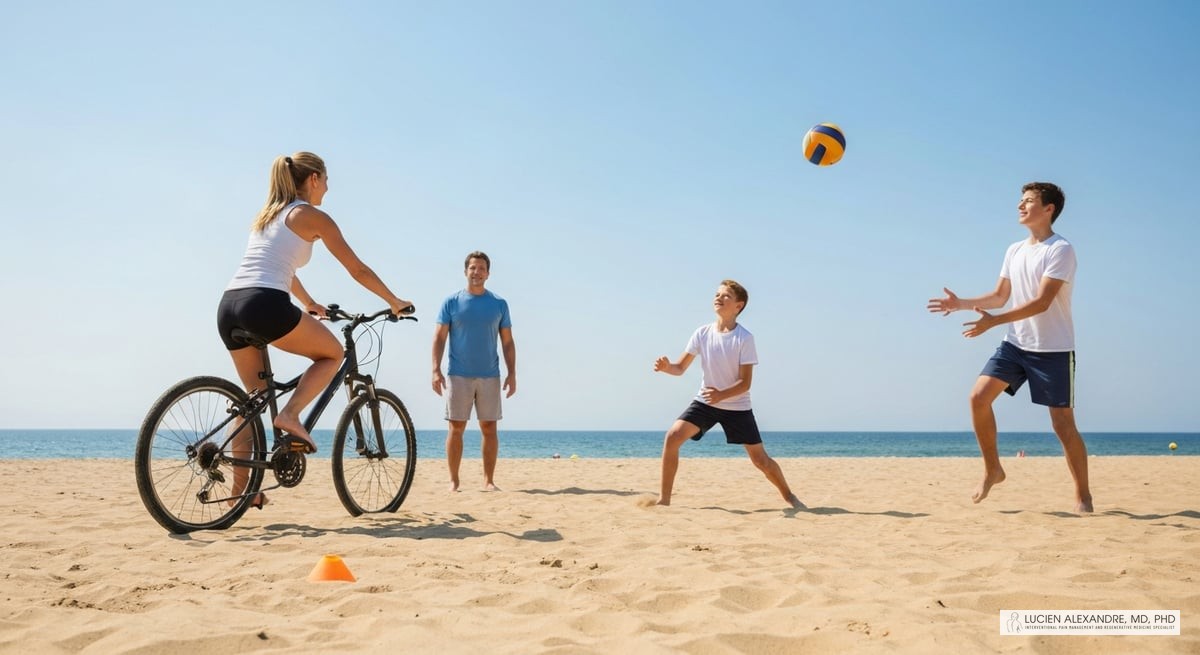
Summer is a time filled with opportunities for fun and relaxation, but it's important to be aware of how common activities can impact your spine health. Here are some popular summer activities that may contribute to back pain:
- Beach Activities: Carrying heavy umbrellas, coolers, or beach chairs can strain your back. It’s not just the weight but also the awkward positions we often find ourselves in while trying to balance these items. For instance, twisting while lifting a heavy cooler can put excess strain on your lower back. Additionally, sitting on the sandy beach for extended periods without proper lumbar support can also lead to discomfort.
- Gardening: Bending, stretching, and lifting while gardening can lead to acute injuries if not done carefully. Many enthusiasts spend hours in the sun without proper breaks, which can lead to muscle fatigue. Employing knee pads, ergonomic tools, and frequent breaks can alleviate pressure. Furthermore, using raised garden beds can minimize the need for bending over extensively, thereby reducing the risk of back strain.
- Traveling: Long hours spent in poorly designed car seats or airplane chairs can contribute to poor posture and discomfort. Opt for travel pillows or lumbar supports to help maintain spinal alignment during long journeys. Also, consider scheduling rest stops during road trips to stretch your legs and allow your back to decompress.
- Sports and Outdoor Games: Activities like tennis, golf, or beach volleyball require quick movements that can easily result in strains. Engaging in a warm-up session before jumping into these activities can prepare your body and reduce the risk of injury. Furthermore, stretching out major muscle groups not only improves flexibility but also primes your muscles for the physical exertion ahead.
Being mindful of how you engage in these activities and adopting good posture can significantly reduce the risk of injury and discomfort. Additionally, hydration is important; dehydration can contribute to muscle cramps and fatigue, which may indirectly lead to poor posture and potential injuries. Keeping electrolytes balanced during high activities is also beneficial for muscle maintenance, ensuring you're active and comfortable throughout the season.
Posture: The Key to a Healthy Spine this Summer
Understanding the role of posture in maintaining spine health is critical. Poor posture, especially during physical activities, can lead to muscle imbalances, increase the risk of injuries, and exacerbate chronic pain conditions. Here are some essential posture tips for summer:
- Keep Your Shoulders Back: Make a conscious effort to keep your shoulders aligned over your hips while walking or standing. This alignment encourages natural spinal curvature and reduces strain on the lower back—an alignment that can be reinforced through practices like yoga and Pilates, which focus on body awareness.
- Engage Your Core: A strong core supports your spine; engage your abdominal muscles during physical activities. Simple exercises like planks or bridges can help strengthen core muscles, providing more support for your spine throughout your daily activities. Additionally, incorporating rotational exercises can further enhance core stability, which is particularly beneficial during twisting movements common in many summer sports.
- Use Supportive Footwear: Avoid flip-flops or unsupportive shoes; opt for shoes with arch support, especially for activities involving extended walking. Shoes that provide shock absorption and stability are essential when partaking in summer hikes or long beach walks. For a tailored fit, consider getting orthotics fitted to your specific foot shape and walking habits.
- Mind Your Sitting Posture: When sitting, ensure that your feet are flat on the ground, knees at a 90-degree angle, and your lower back supported. Consider using a small cushion or lumbar support that promotes optimal spinal alignment. Such adjustments can be particularly important during outdoor gatherings where makeshift seating is common.
By integrating these posture tips into your daily activities, you can significantly enhance your spinal health and reduce back pain during the summer. Additionally, engaging in flexibility exercises such as yoga can further promote better posture and overall spine health. Furthermore, mindfulness practices around posture—such as checking in with your body at different parts of the day—can also foster long-lasting improvements.
Ergonomic Practices for Everyday Activities
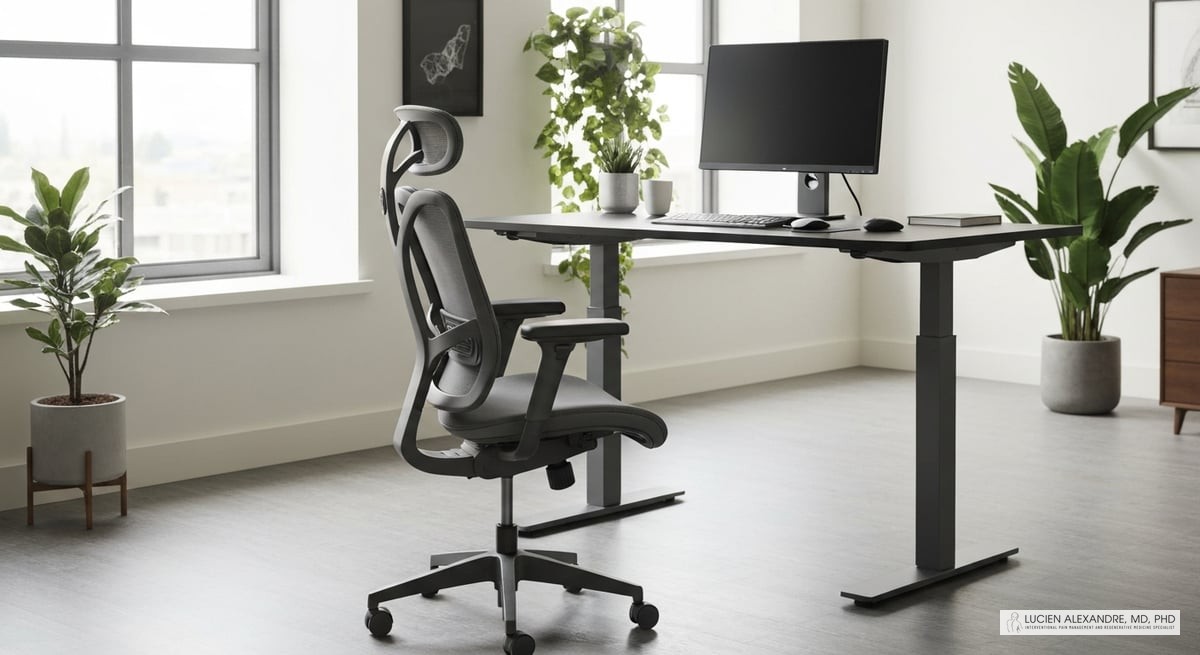
Making ergonomic adjustments to your environment can greatly contribute to your spine health. Whether you are at home, at work, or on the go, adopting ergonomic practices can prevent unnecessary strain. Here are some ergonomic tips:
- Set Up Your Workspace Correctly: Ensure your desk, chair, and computer screen are at comfortable heights. Your elbows should be at a 90-degree angle, and the top of your screen should be at eye level—this will help reduce the tendency to round your shoulders or slouch, particularly important as many find themselves working from home more frequently during summer months.
- Select a Proper Travel Bag: Use a backpack with padded straps and wear it correctly to distribute weight evenly across your back. The weight should ideally not exceed 10-15% of your body weight. Using a rolling suitcase for travel can also help avoid strain when moving from place to place, especially during periods where you'll be on your feet more.
- Practice Safe Lifting Techniques: When lifting heavy objects, bend at the knees, not the waist, and keep the load close to your body. If possible, move your feet to pivot rather than twisting your back. Alternatively, seek assistance or use lifting devices when handling particularly heavy items. This applies to lifting anything from coolers to boxes when packing for a summer trip.
- Incorporate Regular Breaks: Whether working or engaging in leisure activities, take regular breaks to stretch and reset your posture. Set a timer to remind yourself to stand, stretch, and walk around every hour; even short breaks can greatly enhance circulation and reduce stiffness. Integrating gentle stretches during these breaks can also counteract the pervasive effects of prolonged sitting or standing.
These ergonomic adaptations for everyday activities are crucial in maintaining a healthy spine and avoiding flare-ups. Furthermore, consider investing in ergonomic furniture, such as adjustable desks or supportive chairs that allow you to alternate between sitting and standing, promoting better posture and spinal health throughout your day. Overall, such investments in your workspace contribute to long-term spine health and comfort.
Next Steps for Your Spine Health this Summer
Your spine health is paramount, especially during the active summer months. By understanding the importance of posture and ergonomics, you can significantly protect yourself from back pain flare-ups. If you're currently experiencing chronic back pain, consulting with a specialist to assess your posture and develop an individualized preventive strategy is crucial. Regular check-ups with a chiropractor or physical therapist can help monitor any changes in your posture, helping to mitigate future problems. Engaging in physical therapy not only addresses immediate concerns but also offers long-term strategies for preventative care.
Dr. Lucien Alexandre, located in Coconut Grove, FL, offers specialized services in chronic back pain management and ergonomics education. Our approach prioritizes non-surgical interventions to help you achieve a pain-free lifestyle; this could include tailored exercise regimes or spinal alignment techniques to support your body's natural structure. Personal consultations can provide deeper insights into your specific issues and create a roadmap for recovery and maintenance.
Take proactive steps today by evaluating your posture during daily activities. Engage in exercises specifically aimed at improving core strength and flexibility, which are key components to alleviating and preventing back pain. Additionally, staying mindful of lifting techniques and ensuring ergonomic practices could save you from discomfort as you enjoy summer activities. Seeking professional guidance as needed will also empower you to make informed decisions regarding your spine health. Your spine health deserves attention—ensure your summer is pain-free and enjoyable. Lasting spinal wellness comes from consistent attention to posture and movement, setting the stage for enjoyable outdoor experiences.
Common Questions about Spine Health in Summer
What are the signs of poor posture I should look out for?
Common signs include rounded shoulders, a forward head posture, back pain, and a hunched back. Paying attention to how you feel after prolonged activities can also give clues—if you often experience discomfort, it may relate to your posture. Look for visual indicators such as misaligned shoulders or uneven hips as well.
How can I improve my posture while sitting at work?
Ensure that your back is supported, your feet are flat on the floor, and your computer screen is at eye level. You can also try using a footrest if your feet do not comfortably reach the ground. Consider ergonomic chairs that encourage an upright sitting posture to further enhance comfort.
What types of exercises can benefit my spine health during summer?
Core-strengthening exercises, stretches for the back and hips, and aerobic activities like swimming can be beneficial. Activities such as Pilates or yoga are also excellent for building core strength while enhancing flexibility and posture. Aim for a balanced routine that includes both strength and flexibility components.
Is it safe to participate in summer sports if I have a history of back pain?
Consult with a pain management specialist to create a tailored plan that considers your pain history before participating in sports. They may suggest specific modifications or supportive practices to keep you active while prioritizing your spine health. Additionally, gradual progression in activity intensity is advisable to avoid exacerbating existing issues.
This article was created with the help of AI. Images may also be AI-generated.


