Myofascial pain syndrome is characterized by the presence of trigger points—sensitive areas within a taut band of muscle that can cause deep, aching pain, often radiating to surrounding areas. This condition is common in individuals dealing with chronic pain and can be debilitating, affecting daily activities and quality of life. Understanding myofascial pain is essential for exploring effective relief strategies. For example, studies show that nearly 85% of people will experience some form of myofascial pain in their lives, highlighting the importance of recognizing and treating the condition.
Myofascial pain can result from various factors, including physical injury, poor posture, repetitive movements, and stress. Each of these factors contributes to muscle tension and strain, leading to the development of trigger points. For example, someone who works at a desk for long hours may develop tightness in the shoulders and neck due to prolonged static posture. This situation often creates an environment where muscles are overworked and under-rested, effectively promoting the formation of trigger points. Similarly, a person involved in repetitive tasks, like assembly line work or playing a musical instrument, might find that specific muscles become overworked and develop trigger points, making it imperative to incorporate regular stretching and strength training into their routines.
This pain often persists despite conventional treatment methods such as over-the-counter pain medications or physical therapy, leading patients to seek advanced, evidence-based practices for relief. Understanding the underlying causes and the nature of myofascial pain is the first step towards effective management. Gaining insights into these causes enables individuals to identify personal triggers and recognize early symptoms, empowering them to take charge of their pain management journey and advocate for more tailored treatment options.
Identifying Trigger Points: Their Role in Pain
Trigger points can develop in any muscle group and are often the underlying cause of referred pain. For instance, a trigger point in the upper trapezius muscle may lead to headaches or neck pain, making it a common source of discomfort for many individuals. Understanding this connection between muscles and pain patterns is crucial for effective treatment. Research indicates that such referred pain can lead to significant disruptions in daily activities and overall wellness, reiterating the need for timely identification.
Recognizing the location and characteristics of these points is essential; trigger points typically feel like small knots in the muscle and may be tender when pressed. Patients often describe these areas as painful to the touch, and may also report discomfort in adjacent regions—known as referred pain. For example, a trigger point in the pelvic region could refer pain to the lower back or even down the leg, creating additional issues such as sciatica-like symptoms, making diagnosis more complex. Knowing where these trigger points are located can lead to better management strategies, as effective treatments often target the sources of referred pain.
Many patients report a sensation of referred pain—pain that is felt in a different area from where the trigger point is located. This phenomenon can lead to confusion in diagnosis, with patients misattributing their pain to other regions of the body. Therefore, a thorough understanding of trigger points and their locations is crucial for healthcare providers to develop an effective treatment strategy. By utilizing skills such as palpation and a detailed patient history, healthcare professionals can help patients avoid unnecessary treatments and focus specifically on areas that contribute most to their pain.
Trigger Point Therapy: Techniques for Relief
Trigger point therapy aims to alleviate myofascial pain by targeting these specific muscle knots. Techniques may include manual compression, dry needling, and injection therapy. Each technique has its own set of benefits depending on the patient's specific condition and pain levels. The selection of a technique can be personalized based on the patient's response to previous treatments and the severity of their condition, ensuring that the chosen method aligns with individual needs.
Manual compression involves a therapist applying direct pressure to the trigger point. This technique not only helps to release tension but also improves blood flow and promotes muscle relaxation, which is crucial for long-term recovery. Patients often report an immediate sense of relief following a session, particularly when the therapist skillfully identifies and applies pressure to the most sensitive areas. Moreover, integrating techniques such as stretching and strengthening exercises alongside manual therapy further enhances the effectiveness of this approach.
Dry needling is a more advanced technique, where thin needles are inserted into the trigger point to induce a local twitch response. This response can help relieve tension and pain by effectively resetting the muscle’s neuromuscular connections. Many patients have found dry needling to be particularly effective for stubborn muscle knots that have not responded to other treatments, offering a more direct and potent approach to pain relief. It's often praised for addressing chronic conditions where muscle tightness leads to cyclical pain patterns, thereby breaking the cycle of discomfort.
Injection therapy takes this a step further by delivering medication directly into the trigger point. This method can provide immediate relief in cases that are resistant to other methods, especially in chronic conditions where pain has persisted for a long duration. Such targeted injections, often performed by pain specialists, can make a significant difference in a patient's ability to engage in their everyday activities. Additionally, combining injection therapy with physical rehabilitation often yields the best long-term results, allowing patients to regain strength and functionality in their muscles.
Advanced Injection Techniques: A Deeper Dive
Advanced injection techniques offer groundbreaking solutions for managing myofascial pain effectively. These procedures involve targeted injections of medications such as corticosteroids, local anesthetics, or botulinum toxin into the trigger points. Each medication serves a specific role in pain management, providing varying avenues for alleviation. For instance, corticosteroids are known for their anti-inflammatory properties, while local anesthetics can block pain signals almost instantly.
These injections aim to reduce inflammation, block pain signals, and relax tense muscles, directly addressing the painful trigger points. A common injection technique is the use of trigger point injections (TPI), which inject a solution of anesthetic into the painful muscle knot. This can lead to significant symptom relief within hours, allowing patients to return to their normal activities much quicker than with other treatments. Some practitioners also report that patients often experience dramatically improved mobility following TPI, which can enhance overall functional capacity.
Moreover, some practitioners also utilize ultrasound guidance during injections to enhance accuracy. This imaging technique allows healthcare providers to visualize the musculoskeletal structures, ensuring that injections are delivered precisely to the affected area, thus maximizing the therapeutic effect. As a result, patients experience fewer complications and better overall outcomes, highlighting the importance of technological advancements in treatment efficacy. The precision of ultrasound guidance can also lower the likelihood of reinjury and promote a safer recovery pathway.
Commitment to Personalized Care and Treatment
At the NeuroSpine and Pain Center led by Dr. Lucien Alexandre, we emphasize a comprehensive and individualized approach to treating myofascial pain. Our focus on interventional pain management means that patients receive care tailored to their unique needs. This personalized care plan is not only about addressing the immediate symptoms but also understanding the underlying factors contributing to the patient's pain. By incorporating patient feedback and regular assessments, we continually adapt our strategies to enhance outcomes.
Dr. Alexandre's extensive background, including dual doctorates in Medicine and Stem Cell Neurobiology, allows him to offer cutting-edge treatments that prioritize your comfort and recovery. His approach blends traditional treatment methods with innovative techniques, ensuring patients have access to the latest advancements in pain management. The knowledge Dr. Alexandre brings to his practice allows him to synthesize advances in biological and medical research into practical applications that benefit each patient.
We are dedicated to exploring the most effective non-surgical options for pain relief, ensuring that every patient feels understood and supported in their healing journey. Follow-up assessments and adjustments to treatment plans are common, as our objective is to achieve sustainable long-term relief for our patients. Building a therapeutic alliance with patients is essential; therefore, we encourage open communication to review progress and make informed decisions together.
Take the Next Step Towards Pain Relief
If you or a loved one is struggling with myofascial pain, trigger point pain management techniques, or advanced injection therapies, we invite you to reach out for a consultation. Dr. Lucien Alexandre and his dedicated team are committed to helping you find lasting relief. With a comprehensive evaluation, we can identify the root causes of your pain and formulate a tailored treatment plan. Early detection and intervention can significantly influence recovery trajectories, enabling a quicker return to normal life.
Schedule an appointment at our Coconut Grove, FL practice today and discover a compassionate approach to restoring your health and well-being. Early intervention can often lead to improved outcomes, so don’t delay in seeking help. Working together, we can develop a proactive strategy that emphasizes pain management and improves overall quality of life. Together, we can work towards regaining control over your pain and enhancing your quality of life.
Common Questions about Myofascial Pain Relief
What are trigger points and how do they develop?
Trigger points are hyperirritable spots in skeletal muscle, often caused by overuse, muscle strain, or stress that can result in referred pain. Recognizing the development process is crucial for prevention and management.
How effective is trigger point injection therapy?
Trigger point injections can provide significant relief for many patients, often within 24 to 48 hours. However, results may vary depending on individual conditions and response to treatment.
Are there any side effects associated with injection therapies?
Potential side effects include temporary soreness at the injection site, but serious side effects are rare. Discussing concerns with your medical provider is essential to ensure a safe experience.
How many sessions of therapy might I need?
The number of sessions varies by individual. While some patients may experience relief after just one session, others may require several treatments based on the severity of their condition.
This article was created with the help of AI. Images may also be AI-generated.
Understanding Autologous Orthobiologic Treatments
Autologous orthobiologic treatments represent a groundbreaking approach in regenerative medicine, tapping into the body’s innate ability to heal itself. By utilizing biological materials harvested from your own body, these treatments aim to restore function and reduce pain in areas affected by injury, degeneration, or chronic conditions.
In essence, autologous refers to materials derived from the same individual. This means that the tissues or cells used in treatment are collected from you and reinjected or transplanted back into your body, minimizing the risk of rejection and enhancing the healing process. The safety and efficacy of these treatments stem from this very aspect, as using your own biological materials reduces the potential for complications that can arise from foreign substances.
The key components of such treatments typically include:
Platelet-Rich Plasma (PRP): A concentration of platelets and growth factors from your blood to accelerate healing. PRP has gained popularity in various fields, including orthopedics and sports medicine, for its success in enhancing recovery from surgery and injury. Studies indicate that PRP can significantly reduce the time taken for joint healing and improve overall function.
Bone Marrow Aspirate Concentrate (BMAC): Rich in stem cells and growth factors, extracted from your bone marrow. This method is particularly potent because it contains a variety of regenerative cells that can differentiate into different tissue types, offering a broader range of potential healing benefits. Clinical trials have shown BMAC to significantly enhance healing in knee cartilage and accelerate recovery from surgical procedures.
Adipose-Derived Stem Cells: Stem cells extracted from your fat tissue, which can regenerate various tissues. Adipose tissue is abundant in the body, making it a practical source for obtaining these versatile stem cells. Research has pointed to the effectiveness of adipose-derived stem cells in chronic wounds and tissue regeneration, showcasing their potential in a variety of medical applications.
This article will delve into the science, benefits, and applications of autologous orthobiologics, revealing how these innovative methods offer hope for patients seeking alternatives to conventional, invasive surgical treatments.
The Mechanism of Healing: How It Works
The effectiveness of autologous orthobiologic treatments lies in the body’s natural processes. By isolating and concentrating growth factors and stem cells, these treatments enhance the healing of tissues that may be damaged or degenerative. The body’s healing involves complex biochemical pathways and cellular mechanisms, which autologous orthobiologics effectively leverage.
When the body sustains an injury or experiences degeneration, it naturally responds by sending cells such as platelets and other growth factors to repair the affected areas. Autologous treatments amplify this response. Here’s how it works:
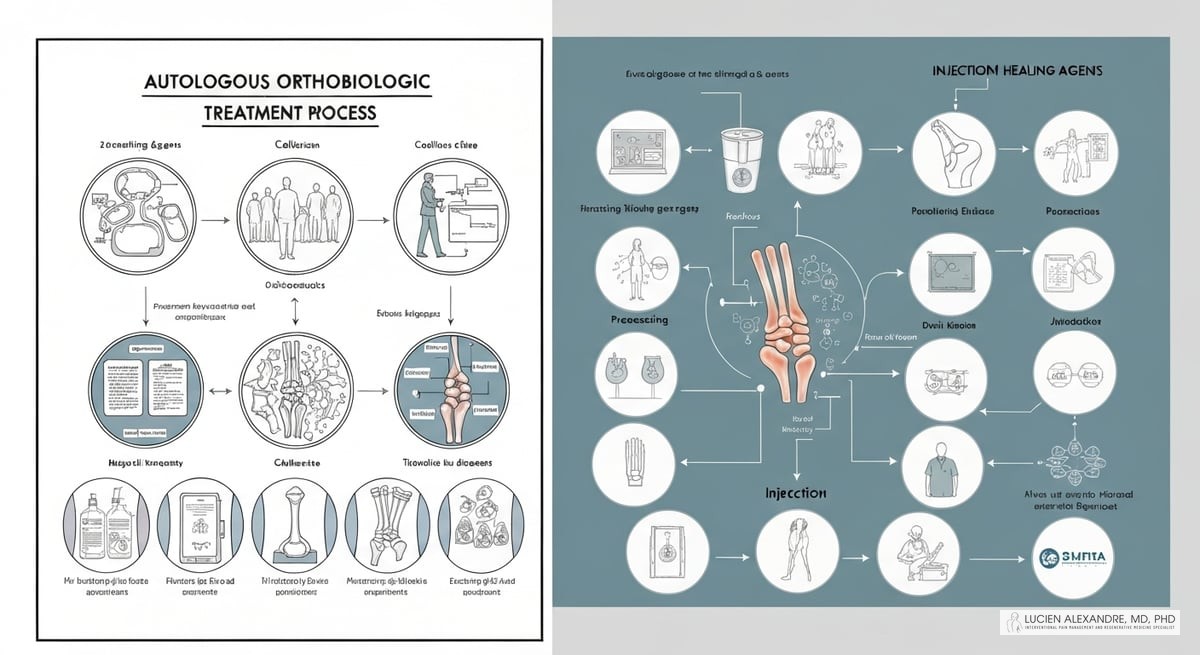
Collection: Cells or plasma are harvested from your body, usually from blood or bone marrow. The collection process is relatively straightforward and performed with minimal discomfort, often taking less than an hour, which enhances patient compliance.
Processing: The collected material is processed to concentrate the healing components using specialized equipment. This step is crucial, as the concentration of platelets can dramatically improve the healing potential of the injections. Advances in technology have refined this step, allowing for even higher concentrations of beneficial factors than in previous techniques.
Injection: The concentrated solution is injected into the affected area to promote healing and reduce inflammation. This targeted approach ensures that the healing components are delivered precisely where they are needed most, mitigating pain and facilitating the regeneration of healthy tissue.
This simplistic yet profound approach leverages your unique biological healing properties, facilitating recovery without the risks associated with foreign substances. Let’s look deeper into who can benefit from these treatments. Patients with chronic pain conditions, athletes recovering from injury, or even individuals with degenerative diseases often find significant relief and improved function following these treatments.
Conditions Treated with Autologous Orthobiologic Treatments
Autologous orthobiologic treatments have gained traction in treating a variety of conditions, particularly those related to musculoskeletal pain and injury. These include:
Chronic Back Pain: Conditions such as degenerative disc disease benefit significantly from treatment, as orthobiologics can stimulate the regeneration of spinal tissues. For instance, a patient suffering from chronic lower back pain due to disc degeneration may experience reduced pain and improved mobility following treatment with PRP or BMAC. Some studies have reported over 70% satisfaction rates among patients treated for this condition.
Joint Pain: Orthobiologics, including PRP therapy, have shown success in alleviating pain in knees, hips, and shoulders, providing a non-surgical option for individuals suffering from arthritis. Clinical studies have revealed that many patients have noted improved joint function and decreased inflammation after receiving autologous treatments. In fact, a significant number of patients have reported being able to resume their favorite activities, such as hiking or playing tennis.
Soft Tissue Injuries: Tendon and ligament injuries respond favorably to the regenerative capabilities of these treatments, promoting healing and functional restoration. This is particularly relevant for athletes or individuals engaged in active hobbies who wish to heal without lengthy recovery times. For example, a patient with a rotator cuff tear might find that orthobiologics significantly reduces downtime compared to traditional rehabilitation methods.
Sports Injuries: Many athletes utilize autologous treatments to recover from injuries, enhancing their healing while minimizing downtime. For example, a professional soccer player recovering from a torn ACL may opt for BMAC therapy to hasten recovery and safely return to their sport. Notably, many high-performance athletes report incorporating these treatments into their regular recovery protocols to maintain peak performance.
These applications highlight the versatility and effectiveness of autologous orthobiologic treatments in addressing various pain-related conditions, enabling patients to pursue active lifestyles without unnecessary surgical interventions. Furthermore, as research continues to evolve in this area, the range of treatable conditions may expand, providing hope for many individuals facing challenging health issues.
Benefits of Autologous Orthobiologic Treatments
Choosing autologous orthobiologic treatments offers a range of advantages for individuals grappling with chronic pain and injuries:
Natural Healing: By utilizing your body’s cells, these treatments promote natural regeneration and repair mechanisms, enhancing overall health. This aligns with the principle of promoting the body's own healing capabilities rather than relying solely on medication or surgery. Patients often report a sense of empowerment knowing that they are utilizing their biologic resources to heal.
Minimal Side Effects: Since the components used are derived from your own body, there is a significantly lower risk of allergic reactions or complications compared to synthetic alternatives. Patients often report fewer side effects and a more straightforward recovery process, creating a patient-friendly environment that encourages participation in their health journey.
Reduced Recovery Time: Many patients experience faster healing times, allowing them to return to daily activities and sports more swiftly. Research indicates that individuals treated with PRP or BMAC may return to sports in about half the time it normally takes for full recovery when compared to more traditional approaches, enhancing their quality of life.
Non-Surgical Approach: These treatments seek alternatives to invasive surgeries, offering less risk and discomfort while providing effective pain management. Patients who avoid surgery can often sidestep complications related to anesthesia and hospital stays. The prospect of an outpatient procedure, which is typically less stressful and disruptive to one’s lifestyle, is an appealing aspect for many individuals.
These benefits underscore why autologous orthobiologics are becoming an increasingly popular choice among patients and healthcare providers alike, merging the realms of traditional medicine and cutting-edge regenerative practices. With advances in technology and our understanding of human biology, the potential applications and effectiveness of these treatments will likely continue to grow.
Conclusion and Next Steps
Autologous orthobiologic treatments represent a pivotal advancement in the management of chronic pain and musculoskeletal conditions, providing patients with a natural and effective pathway to healing. By harnessing your own body’s healing powers, these treatments not only reduce pain but also promote overall tissue health and function, making them a compelling option for those seeking alternatives to traditional methods.
If you are considering exploring autologous orthobiologics as a solution to your pain or injury, the first step is to schedule a comprehensive consultation. Dr. Lucien Alexandre and his team at the NeuroSpine and Pain Center are dedicated to providing individualized, evidence-based care tailored to your unique needs. They offer a supportive environment to discuss your specific health concerns and explore the most effective treatment options available to you.
Contact us today at the NeuroSpine and Pain Center in Coconut Grove, FL, to book your appointment and begin your journey toward relief and recovery. With personalized attention and advanced treatment plans, you can take charge of your health and work towards achieving a pain-free, active lifestyle. Your restoration and wellness are just a consultation away!
Common Questions
Are autologous orthobiologic treatments safe?
Yes, these treatments are considered safe as they utilize your own biological materials, resulting in minimal risk of rejection or adverse reactions. Safety has been backed by a growing body of clinical evidence demonstrating their effectiveness and reliability, making it a trusted alternative in regenerative care.
What conditions can be treated?
Commonly treated conditions include chronic back pain, joint pain, and soft tissue injuries. Consult with a specialist to determine the best approach for your specific concerns, as personalized treatment plans can lead to the best outcomes. Each case is unique, and understanding your specific injury is key to successful treatment.
How long does the treatment take?
The entire process from collection to injection typically takes a few hours, and patients can often return to normal activities shortly thereafter. The brief nature of the procedure is a significant advantage over traditional surgical interventions, which often entail lengthy heal times and recovery protocols.
How many sessions are needed for effective results?
This can vary based on the individual and condition being treated; some may notice improvement after just one session, while others may require multiple sessions. Your healthcare provider will guide you in establishing an effective treatment schedule based on your condition, ensuring that you receive the most appropriate care tailored to your needs.
This article was created with the help of AI. Images may also be AI-generated.
Understanding Chronic Migraines
Chronic migraines are a debilitating neurological condition that affects millions worldwide. Defined by the presence of headaches occurring 15 or more days a month over a three-month period, chronic migraines can severely impact daily life. This chronic condition not only affects physical health but also emotional well-being, leading to increased rates of anxiety, depression, and other mental health disorders. In many cases, individuals with chronic migraines find themselves unable to participate in social activities, maintain consistent employment, or engage fully in family life due to the unpredictability and pain associated with their migraines.
Unlike regular migraines, which can be episodic, chronic migraines often require a more intensive treatment approach due to their frequency and severity. Patients frequently experience a multitude of symptoms including nausea, sensitivity to light and sound, and sometimes accompanying aura symptoms such as visual disturbances. These additional symptoms significantly compound the overall discomfort experienced by individuals suffering from chronic migraines, often leading to increased frustration and isolation.
Recent research indicates that chronic migraines may stem from a combination of genetic, environmental, and biochemical factors. Identifying these underlying triggers is essential for effective management and requires a comprehensive approach involving advanced diagnostics and personalized intervention strategies. For example, factors like hormonal changes, sleep disturbances, certain food additives, and even stress can act as significant triggers for migraine episodes. Understanding these connections is vital in tailoring effective management plans that are personalized to the patient's unique triggers.
While traditional migraine treatments include over-the-counter medications and preventive prescriptions, these methods do not always yield satisfactory results for chronic migraine sufferers. With chronic migraines having multi-faceted triggers, a one-size-fits-all approach often falls short. This has necessitated the exploration of innovative neurology and interventional strategies that transcend conventional frameworks, such as holistic approaches that integrate lifestyle adjustments and advanced medical treatments, achieving a more sustainable outcome for patients. Furthermore, ongoing research into alternative therapies, such as biofeedback and acupuncture, demonstrates an ever-expanding horizon of potential management techniques for those affected by chronic migraines.
Breakthroughs in Neurology for Chronic Migraine Management
Advancements in neurological research have led to the development of new treatment modalities for chronic migraines. These treatments often focus on understanding the central nervous system's role in migraine pathophysiology. As new insights into how migraines occur emerge, healthcare providers are better equipped to offer effective solutions that reflect the latest scientific understanding.
Neuromodulation Techniques: Techniques such as transcranial magnetic stimulation (TMS) and occipital nerve stimulation have gained traction as innovative approaches to managing chronic migraines. TMS, for instance, involves using magnetic fields to stimulate nerve cells in the brain, which has shown promise in reducing the frequency of migraine attacks. Clinical studies have reported that regular sessions of TMS can lead to both a decrease in attack frequency and an improvement in patients’ overall quality of life.
Chronic Migraine Protocols: The introduction of guidelines for preventive therapies that target the headache's neurological roots has shown promise, especially in patients who have not responded well to prior treatments. Newer medications, like CGRP inhibitors, target specific pathways involved in migraines, offering hope for those who have struggled with traditional therapies. These preventive medications have changed the landscape of migraine treatment, allowing patients to maintain a more regular lifestyle without the shadow of debilitating headaches.
Advanced Imaging Technologies: Imaging modalities such as functional MRI (fMRI) help identify structural and functional abnormalities in the brain that may contribute to chronic migraines. By visualizing these changes, practitioners can create more targeted and effective treatment plans that address the specific needs of each patient, improving outcomes considerably.
These breakthroughs illustrate a paradigm shift in migraine management, emphasizing the importance of individualized treatment strategies that consider each patient's unique neurological profile. Additionally, ongoing clinical trials continue to refine these techniques, enhancing their effectiveness and accessibility for chronic migraine patients across varying demographics, including those with different age groups and medical histories.
Interventional Strategies for Chronic Migraine Relief
Interventional pain management techniques are reshaping the landscape of chronic migraine treatment. These strategies aim to alleviate pain and improve the quality of life for patients by directly targeting headache mechanisms. Effectiveness can vary based on the individual's migraine characteristics, necessitating an adaptive approach that customizes treatment plans based on ongoing patient feedback and symptom monitoring.
Botulinum Toxin Injections: One of the most notable advancements is the use of botulinum toxin injections, which have been FDA-approved specifically for chronic migraines. This treatment involves strategically injecting the toxin into muscles around the head and neck to reduce headache frequency. Clinical trials have shown that these injections can lead to a significant reduction in both the intensity and frequency of migraine episodes for many patients. Furthermore, patients who undergo botulinum toxin therapy often report enhanced quality of life, as they may experience fewer interruptions to their daily activities.
Corrective Procedures: Some patients may benefit from procedural interventions such as nerve blocks or radiofrequency ablation, which target the nerves involved in headache generation. Nerve blocks can provide immediate relief, while radiofrequency ablation may offer long-term results by disrupting the pain signals sent to the brain, thus potentially modifying the underlying migraine pathology. These interventions are particularly useful for patients whose migraines are linked to specific trigger points, allowing for a highly focused treatment approach.
Regenerative Medicine: Emerging therapies such as Platelet-Rich Plasma (PRP) therapy are also being explored for their potential to enhance recovery and reduce chronic headache episodes by utilizing the body’s own growth factors. The idea is that by injecting PRP into headache-causing areas, it may promote healing and reduce inflammation, which can contribute significantly to the migraine experience. Preliminary results from studies have indicated that PRP therapy may help improve symptoms in some patients, pointing to a promising avenue for future treatment options for chronic migraines.
The integration of these interventional strategies into comprehensive treatment plans can provide significant relief, especially for patients who have yet to find success with traditional medications. By also including patient education and follow-up care, healthcare providers can help optimize these interventions for maximal benefit, ensuring patients remain engaged and informed throughout their treatment journey.
The Role of Lifestyle Modifications
While advanced neurological treatments can significantly affect chronic migraine management, lifestyle modifications also play a crucial role in minimizing headache frequency and severity. A comprehensive approach that encompasses both medical and lifestyle interventions is fundamental in managing chronic migraines more effectively, as lifestyle factors can directly influence the frequency and intensity of migraine episodes.
Dietary Changes: Identifying and avoiding common dietary triggers such as caffeine, alcohol, and certain aged cheeses is essential. Keeping a food diary can be a useful strategy for tracking which foods may precipitate headaches. Additionally, a well-balanced diet rich in magnesium and omega-3 fatty acids—found in foods like nuts, seeds, and fish—may help mitigate migraine occurrences. This is because both nutrients are known for their anti-inflammatory properties and may play a role in modulating pain pathways.
Physical Activity: Regular physical activity promotes overall health and can reduce stress, a significant migraine trigger. Activities like yoga and tai chi incorporate mindfulness practices that may also benefit migraine patients. Engaging in a consistent exercise routine not only helps maintain a healthy weight but can also lead to increased endorphin production, which acts as a natural pain reliever that may help ward off migraines. Studies suggest that patients who maintain a regular exercise schedule report fewer headaches over time.
Sleep Hygiene: Poor sleep patterns can exacerbate chronic migraines. Establishing a consistent sleep schedule and creating a restful environment can lead to significant improvements in headache frequency. Techniques such as reducing screen time before bed, practicing relaxation exercises, and maintaining a cool, dark sleeping space can enhance the quality of sleep, which is essential for those prone to migraines. Improved sleep often correlates with a marked decrease in migraine frequency and severity, highlighting the importance of restorative sleep in migraine management.
Incorporating these lifestyle changes alongside advanced treatment modalities can foster a holistic approach to chronic migraine care, enhancing treatment outcomes. Furthermore, encouraging patient involvement in lifestyle modifications can enhance motivation and adherence to treatment plans, ensuring a more proactive approach to managing their health.
Taking the Next Step in Your Chronic Migraine Management
Addressing chronic migraines necessitates a multidisciplinary approach that incorporates advanced medical techniques and patient-centered care. If you are struggling with chronic migraines, it is vital to seek out specialists who are knowledgeable in current practices and dedicated to your well-being. Having a healthcare team that coordinates care and maintains open lines of communication can greatly enhance treatment experiences and help tailor approaches that work best for you.
At the NeuroSpine and Pain Center led by Dr. Lucien Alexandre in Coconut Grove, FL, we pride ourselves on offering personalized consultations focused on a comprehensive assessment and innovative treatment options tailored to your needs. Our approach not only emphasizes medical interventions but also integrates lifestyle modifications that empower patients in their own care. Each treatment plan is uniquely designed, incorporating the latest research and therapeutic strategies to ensure the best possible outcomes for our patients.
Your journey to pain relief begins with an in-depth evaluation, where we explore both the neurological and lifestyle components contributing to your migraines. We understand that every patient is unique, and thus, together, we will develop a comprehensive treatment plan to help you regain control of your life. This plan may include the latest treatment modalities, lifestyle counseling, and ongoing support adjusted over time to meet your evolving needs, allowing for flexibility as your condition and lifestyle change.
For a consultation, contact our office to schedule an appointment. You deserve a life free from the burden of chronic migraines, and taking an informed step towards management can help you achieve lasting relief and improve your overall quality of life. Our dedicated team is committed to providing you with the tools and resources necessary to live your best life despite the challenges of chronic migraines.
Common Questions About Chronic Migraines
What are the symptoms of chronic migraines?
Chronic migraines may include severe headaches lasting four hours or more, nausea, vomiting, sensitivity to light and sound, and possible aura symptoms. A typical episode can significantly disrupt daily activities and may necessitate a quiet, dark room for recovery. Many patients also report experiencing fatigue and emotional distress during and after migraine attacks.
How can I tell if I have chronic migraines?
A diagnosis typically requires experiencing headaches 15 or more days per month for three months. A headache specialist can conduct further evaluations, which might include detailed medical history, neurological examinations, and possibly imaging studies, to rule out other causes. Keeping a migraine diary can also support diagnosis by tracking frequency, duration, and triggers of headache episodes.
What treatments are available for chronic migraines?
Treatment options include medications, neuromodulation techniques, botulinum toxin injections, lifestyle modifications, and interventional strategies. Combination therapies that blend these options often yield the best results for sustained relief. Additionally, emerging therapies such as cognitive behavioral therapy and mindfulness-based stress reduction techniques are being explored for their efficacy in managing chronic migraine symptoms.
This article was created with the help of AI. Images may also be AI-generated.
Understanding the Importance of Spine Health in Summer
As the summer approaches, it's essential to prioritize your spine health, particularly if you're someone who suffers from chronic back pain or discomfort. The warmer months often encourage a more active lifestyle, whether it involves outdoor activities, travel, or simply spending more time on your feet. These changes can lead to posture-related challenges, which may exacerbate existing spine issues. In fact, studies have shown that many individuals experience increased back pain during the summer due to the shift in routine and activity levels, with a notable percentage reporting discomfort after engaging in summer sports or extended periods of outdoor leisure.
Maintaining proper alignment and ergonomics is crucial as you navigate different activities this summer. For example, when engaging in outdoor sports or even just walking on the beach, misalignment can lead to discomfort. **Poor posture** can result in additional strain on your back, leading to flare-ups of pain and other related complications such as sciatica or muscular imbalances. This strain may not be immediately felt but can manifest in echelons, resulting in significant discomfort days or weeks later.
For many individuals dealing with conditions such as sciatica or chronic back pain, proactive measures must be taken to prevent flare-ups. Simple adjustments in everyday activities and a conscious effort to maintain good posture can make a significant difference. This article aims to provide you with actionable insights and expert advice on maintaining a healthy spine during the summer season, ensuring that you can enjoy all your favorite activities without the burden of pain. Remember that engaging in preventative strategies now can lead to long-term benefits, allowing you to maximize your summer enjoyment without compromising your spine health.
Common Summer Activities that May Strain Your Spine
Summer is a time filled with opportunities for fun and relaxation, but it's important to be aware of how common activities can impact your spine health. Here are some popular summer activities that may contribute to back pain:
Beach Activities: Carrying heavy umbrellas, coolers, or beach chairs can strain your back. It’s not just the weight but also the awkward positions we often find ourselves in while trying to balance these items. For instance, twisting while lifting a heavy cooler can put excess strain on your lower back. Additionally, sitting on the sandy beach for extended periods without proper lumbar support can also lead to discomfort.
Gardening: Bending, stretching, and lifting while gardening can lead to acute injuries if not done carefully. Many enthusiasts spend hours in the sun without proper breaks, which can lead to muscle fatigue. Employing knee pads, ergonomic tools, and frequent breaks can alleviate pressure. Furthermore, using raised garden beds can minimize the need for bending over extensively, thereby reducing the risk of back strain.
Traveling: Long hours spent in poorly designed car seats or airplane chairs can contribute to poor posture and discomfort. Opt for travel pillows or lumbar supports to help maintain spinal alignment during long journeys. Also, consider scheduling rest stops during road trips to stretch your legs and allow your back to decompress.
Sports and Outdoor Games: Activities like tennis, golf, or beach volleyball require quick movements that can easily result in strains. Engaging in a warm-up session before jumping into these activities can prepare your body and reduce the risk of injury. Furthermore, stretching out major muscle groups not only improves flexibility but also primes your muscles for the physical exertion ahead.
Being mindful of how you engage in these activities and adopting good posture can significantly reduce the risk of injury and discomfort. Additionally, hydration is important; dehydration can contribute to muscle cramps and fatigue, which may indirectly lead to poor posture and potential injuries. Keeping electrolytes balanced during high activities is also beneficial for muscle maintenance, ensuring you're active and comfortable throughout the season.
Posture: The Key to a Healthy Spine this Summer
Understanding the role of posture in maintaining spine health is critical. Poor posture, especially during physical activities, can lead to muscle imbalances, increase the risk of injuries, and exacerbate chronic pain conditions. Here are some essential posture tips for summer:
Keep Your Shoulders Back: Make a conscious effort to keep your shoulders aligned over your hips while walking or standing. This alignment encourages natural spinal curvature and reduces strain on the lower back—an alignment that can be reinforced through practices like yoga and Pilates, which focus on body awareness.
Engage Your Core: A strong core supports your spine; engage your abdominal muscles during physical activities. Simple exercises like planks or bridges can help strengthen core muscles, providing more support for your spine throughout your daily activities. Additionally, incorporating rotational exercises can further enhance core stability, which is particularly beneficial during twisting movements common in many summer sports.
Use Supportive Footwear: Avoid flip-flops or unsupportive shoes; opt for shoes with arch support, especially for activities involving extended walking. Shoes that provide shock absorption and stability are essential when partaking in summer hikes or long beach walks. For a tailored fit, consider getting orthotics fitted to your specific foot shape and walking habits.
Mind Your Sitting Posture: When sitting, ensure that your feet are flat on the ground, knees at a 90-degree angle, and your lower back supported. Consider using a small cushion or lumbar support that promotes optimal spinal alignment. Such adjustments can be particularly important during outdoor gatherings where makeshift seating is common.
By integrating these posture tips into your daily activities, you can significantly enhance your spinal health and reduce back pain during the summer. Additionally, engaging in flexibility exercises such as yoga can further promote better posture and overall spine health. Furthermore, mindfulness practices around posture—such as checking in with your body at different parts of the day—can also foster long-lasting improvements.
Ergonomic Practices for Everyday Activities
Making ergonomic adjustments to your environment can greatly contribute to your spine health. Whether you are at home, at work, or on the go, adopting ergonomic practices can prevent unnecessary strain. Here are some ergonomic tips:
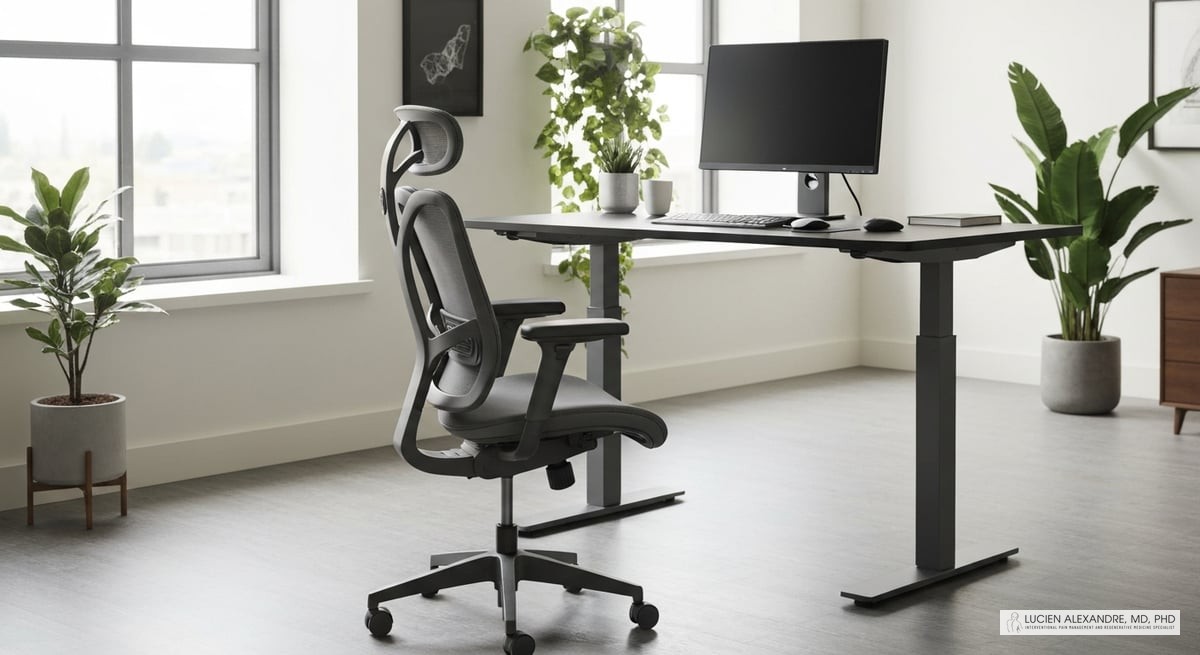
Set Up Your Workspace Correctly: Ensure your desk, chair, and computer screen are at comfortable heights. Your elbows should be at a 90-degree angle, and the top of your screen should be at eye level—this will help reduce the tendency to round your shoulders or slouch, particularly important as many find themselves working from home more frequently during summer months.
Select a Proper Travel Bag: Use a backpack with padded straps and wear it correctly to distribute weight evenly across your back. The weight should ideally not exceed 10-15% of your body weight. Using a rolling suitcase for travel can also help avoid strain when moving from place to place, especially during periods where you'll be on your feet more.
Practice Safe Lifting Techniques: When lifting heavy objects, bend at the knees, not the waist, and keep the load close to your body. If possible, move your feet to pivot rather than twisting your back. Alternatively, seek assistance or use lifting devices when handling particularly heavy items. This applies to lifting anything from coolers to boxes when packing for a summer trip.
Incorporate Regular Breaks: Whether working or engaging in leisure activities, take regular breaks to stretch and reset your posture. Set a timer to remind yourself to stand, stretch, and walk around every hour; even short breaks can greatly enhance circulation and reduce stiffness. Integrating gentle stretches during these breaks can also counteract the pervasive effects of prolonged sitting or standing.
These ergonomic adaptations for everyday activities are crucial in maintaining a healthy spine and avoiding flare-ups. Furthermore, consider investing in ergonomic furniture, such as adjustable desks or supportive chairs that allow you to alternate between sitting and standing, promoting better posture and spinal health throughout your day. Overall, such investments in your workspace contribute to long-term spine health and comfort.
Next Steps for Your Spine Health this Summer
Your spine health is paramount, especially during the active summer months. By understanding the importance of posture and ergonomics, you can significantly protect yourself from back pain flare-ups. If you're currently experiencing chronic back pain, consulting with a specialist to assess your posture and develop an individualized preventive strategy is crucial. Regular check-ups with a chiropractor or physical therapist can help monitor any changes in your posture, helping to mitigate future problems. Engaging in physical therapy not only addresses immediate concerns but also offers long-term strategies for preventative care.
Dr. Lucien Alexandre, located in Coconut Grove, FL, offers specialized services in chronic back pain management and ergonomics education. Our approach prioritizes non-surgical interventions to help you achieve a pain-free lifestyle; this could include tailored exercise regimes or spinal alignment techniques to support your body's natural structure. Personal consultations can provide deeper insights into your specific issues and create a roadmap for recovery and maintenance.
Take proactive steps today by evaluating your posture during daily activities. Engage in exercises specifically aimed at improving core strength and flexibility, which are key components to alleviating and preventing back pain. Additionally, staying mindful of lifting techniques and ensuring ergonomic practices could save you from discomfort as you enjoy summer activities. Seeking professional guidance as needed will also empower you to make informed decisions regarding your spine health. Your spine health deserves attention—ensure your summer is pain-free and enjoyable. Lasting spinal wellness comes from consistent attention to posture and movement, setting the stage for enjoyable outdoor experiences.
Common Questions about Spine Health in Summer
What are the signs of poor posture I should look out for?
Common signs include rounded shoulders, a forward head posture, back pain, and a hunched back. Paying attention to how you feel after prolonged activities can also give clues—if you often experience discomfort, it may relate to your posture. Look for visual indicators such as misaligned shoulders or uneven hips as well.
How can I improve my posture while sitting at work?
Ensure that your back is supported, your feet are flat on the floor, and your computer screen is at eye level. You can also try using a footrest if your feet do not comfortably reach the ground. Consider ergonomic chairs that encourage an upright sitting posture to further enhance comfort.
What types of exercises can benefit my spine health during summer?
Core-strengthening exercises, stretches for the back and hips, and aerobic activities like swimming can be beneficial. Activities such as Pilates or yoga are also excellent for building core strength while enhancing flexibility and posture. Aim for a balanced routine that includes both strength and flexibility components.
Is it safe to participate in summer sports if I have a history of back pain?
Consult with a pain management specialist to create a tailored plan that considers your pain history before participating in sports. They may suggest specific modifications or supportive practices to keep you active while prioritizing your spine health. Additionally, gradual progression in activity intensity is advisable to avoid exacerbating existing issues.
This article was created with the help of AI. Images may also be AI-generated.
Complex Regional Pain Syndrome (CRPS) is a chronic pain condition that often develops after an injury, surgery, stroke, or heart attack. This syndrome is characterized by continued, debilitating pain that is disproportionate to the initial injury. While it is most commonly associated with a limb, CRPS can affect other areas of the body as well. Understanding CRPS is vital for proper management, as it presents a range of symptoms including severe pain, swelling, and changes in skin color and temperature. Early diagnosis and individualized treatment strategies can significantly improve quality of life.
CRPS is often divided into two types:
Type I: Previously known as Reflex Sympathetic Dystrophy (RSD), this type occurs without a confirmed nerve injury.
Type II: This type, also known as causalgia, involves a confirmed nerve injury.
Patients experiencing CRPS may feel isolated and frustrated by their symptoms, which often include hypersensitivity, muscle spasms, and abnormal sweating. Interventional pain management strategies focus on alleviating these symptoms and addressing the underlying causes of pain.
Recognizing the Symptoms of CRPS
CRPS presents with a variety of symptoms that can evolve and intensify over time. Some common symptoms include:
Pain: Often described as burning, aching, or throbbing, pain is the hallmark of CRPS.
Edema: Swelling may occur in the affected limb, with a noticeable change in size.
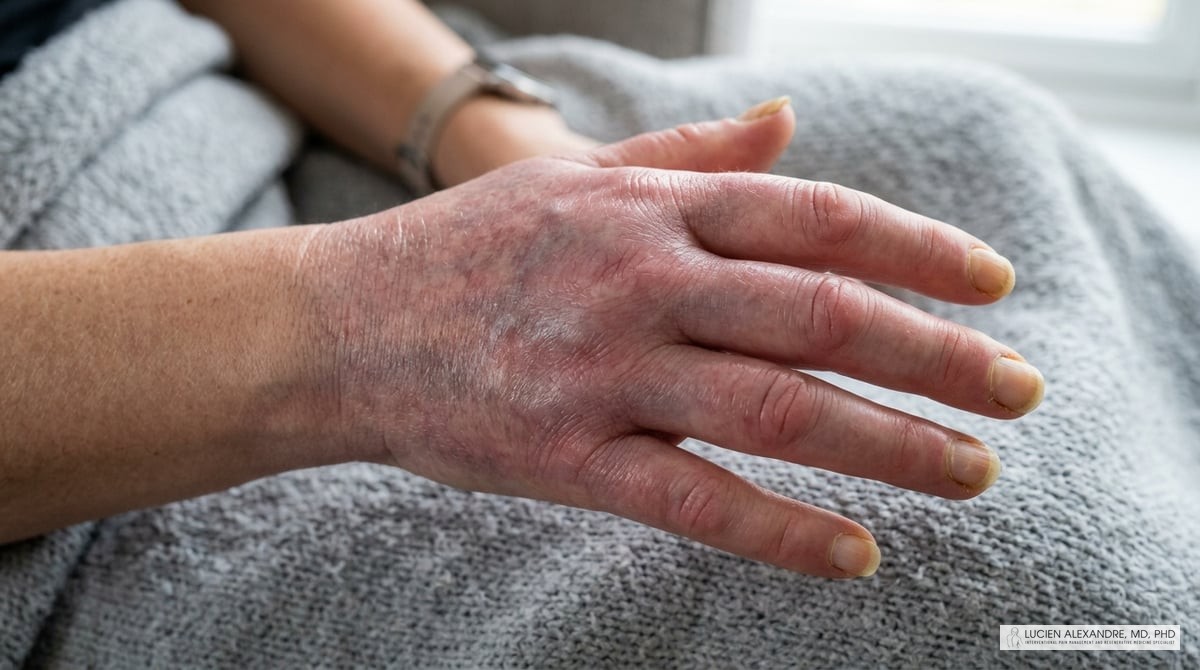
Skin Changes: Skin may exhibit changes in temperature and color, often appearing flushed or pale.
Altered Sensation: Patients may experience hyperalgesia (increased sensitivity to pain) or allodynia (pain from stimuli that normally would not cause pain).
Understanding and recognizing these symptoms is crucial for timely intervention and preventing the progression of the condition.
Diagnosing CRPS: A Comprehensive Approach
Diagnosing Complex Regional Pain Syndrome can be challenging. It often involves a combination of clinical evaluation, patient history, and various diagnostic tests to rule out other conditions. Physicians typically follow the Budapest Criteria, which include:
Continuing pain, which is disproportionate to the initial event.
Evidence of edema, changes in skin temperature, or color observed during the examination.
Exclusion of other conditions that may explain the symptoms.
As a pain management specialist, my approach to diagnosing CRPS involves a thorough examination and assessment of symptom history, combined with advanced imaging technologies when appropriate. This process not only aids in confirming the diagnosis but also helps in selecting the most effective treatment strategies tailored to the individual’s needs.
Treatment Options for CRPS
Managing Complex Regional Pain Syndrome effectively requires a multidisciplinary approach. Treatment options may include:
Medications: A range of medications may be prescribed to manage pain, reduce inflammation, and promote healing, including anti-inflammatory drugs, neuropathic pain agents, and injections.
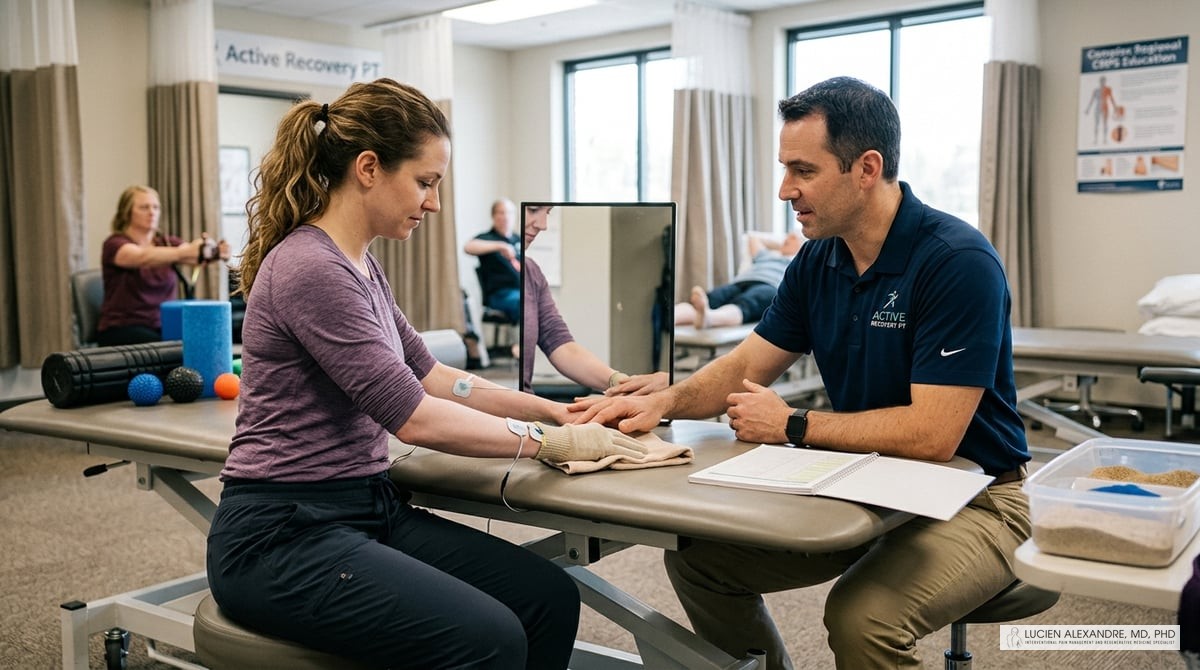
Physical Therapy: Rehabilitation plays a crucial role in improving movement and reducing pain. Patients are guided through exercises that promote strength and flexibility.
Psychological Support: Cognitive-behavioral therapy and counseling can help address the psychological impact of chronic pain.
Interventional Procedures: For patients who do not respond to conventional treatments, interventional pain management techniques, such as nerve blocks and spinal cord stimulators, can be highly effective.
Each treatment plan should be tailored to the individual, with a focus on minimizing pain, restoring function, and improving overall quality of life.
Living with CRPS: Practical Strategies
Living with Complex Regional Pain Syndrome poses unique challenges, but there are strategies to help manage symptoms and enhance quality of life:
Daily Activity Modification: Adapting daily routines to accommodate pain levels can help maintain functionality without exacerbating symptoms.
Stress Management: Mindfulness, meditation, and relaxation techniques can reduce stress, which may trigger or worsen pain symptoms.
Support Systems: Engaging with support groups or communities can provide emotional support and shared experiences, helping individuals feel less isolated.
Incorporating these strategies alongside medical treatments can foster resilience and improve the overall well-being of those affected by CRPS.
Final Thoughts on Managing CRPS
Complex Regional Pain Syndrome can be a debilitating condition that requires comprehensive management. However, with the right approach that includes proper diagnosis, tailored treatment plans, and ongoing support, many patients can achieve significant improvements in their symptoms and functionality. If you are experiencing symptoms of CRPS, it is crucial to consult a specialized pain management expert who can guide you through the complexities of this condition and offer you the most advanced care options available.
Don't let CRPS control your life—take the first step toward relief and improved quality of life by reaching out to Dr. Lucien Alexandre's NeuroSpine and Pain Center today.
Common Questions
What causes Complex Regional Pain Syndrome?
The exact cause of CRPS is not fully understood, but it often follows an injury, surgery, or trauma and involves abnormal responses in the nervous system that lead to chronic pain.
Can CRPS be cured?
There is currently no definitive cure for CRPS, but many treatments are effective in managing symptoms and improving function.
How long does CRPS last?
CRPS can last for varying lengths of time, from months to years, and in some cases, it may become a chronic condition requiring ongoing management.
This article was created with the help of AI. Images may also be AI-generated.
Understanding Hip Pain and Its Impact
Hip pain can significantly affect your quality of life, often limiting mobility and daily activities. The hip joint, being one of the largest weight-bearing joints, is not only integral to movement but also crucial for maintaining stability. When hip pain occurs, it can arise from various causes, including osteoarthritis, tendinitis, bursitis, or even previous injuries. Each condition presents unique challenges, and understanding the underlying cause is essential for effective treatment.
For many individuals, the thought of surgery can be daunting. Fortunately, there is a range of personalized interventional and regenerative strategies available for managing hip pain without resorting to invasive surgical procedures.
These methods not only help in alleviating pain but also focus on improving functionality and restoring mobility through evidence-based practices tailored specifically to your needs. By seeking such specialized care, patients can often find relief whilst working towards long-term joint health.
The Role of Interventional Pain Management
Interventional pain management leverages advanced techniques to target specific pain sources effectively. This approach includes minimally invasive treatments that address the symptoms of hip pain while significantly minimizing recovery time.
Some key interventional pain management techniques include:
Epidural steroid injections: Used to reduce inflammation and alleviate pain in the hip joint.
Joint injections: Targeted injections directly into the joint to provide immediate relief.
Nerve blocks: These can discern the exact source of the pain and provide therapeutic relief.
The goal of these treatments is to empower patients to regain control of their lives, restoring physical activities that might have been given up due to pain. If you're considering options for managing your hip pain, exploring interventional pain management can be a pivotal first step.
Regenerative Medicine: A New Frontier for Hip Pain
Regenerative medicine focuses on harnessing the body's own healing mechanisms to repair damaged tissues and joints, offering promising alternatives to surgery. Among the various regenerative treatments for hip pain, two standout modalities include:
Platelet-rich plasma (PRP) therapy: This involves extracting a small amount of your blood, processing it to concentrate the platelets, and then injecting it into the hip joint to promote healing and reduce inflammation.
Stem cell therapy: This aims at regenerating damaged tissues by using stem cells, which can differentiate into various types of cells required for healing.
These therapies have gained attention due to their potential to not only alleviate pain but also to regenerate damaged cartilage and improve joint function. As they are tailored to each patient's specific condition and needs, many individuals achieve a level of pain relief and improved mobility without the need for surgery or prolonged downtime.
Patient-Centered Care in Hip Pain Treatment
Effective treatment requires more than just advanced technology; it needs a patient-centered approach that focuses on individual experiences and goals. At the NeuroSpine and Pain Center, we emphasize:
Thorough Diagnosis: Understanding your medical history and the specific factors contributing to your hip pain is crucial. This comprehensive assessment informs the tailored treatment plan uniquely designed for you.
Ongoing Communication: Regular follow-ups and open dialogue allow adjustments in care as necessary, ensuring that treatment remains effective over time.
Multilingual Accessibility: We cater to a diverse patient population, ensuring culturally sensitive care in languages such as English, Spanish, and French, making our services accessible to a broader community.
Our commitment to treating hip pain without surgery is rooted in a deep understanding of our patients' needs, striving for outcomes that help them regain their quality of life.
Take the Next Step Towards Pain Relief
If you're tired of struggling with hip pain and are searching for a pathway toward effective, non-surgical solutions, now is the time to act. At the NeuroSpine and Pain Center, we are committed to offering personalized interventional and regenerative care tailored to your specific needs. Our goal is to help you restore function, alleviate pain, and improve your quality of life.
Contact us today to schedule a consultation with Dr. Lucien Alexandre, who brings unparalleled expertise and a patient-centered approach to each case. Begin your journey towards pain-free living today!
Common Questions
What causes hip pain?
Hip pain can result from various conditions including osteoarthritis, tendinitis, bursitis, injuries, and sometimes referred pain from the back or other areas.
Is surgery the only option for hip pain?
No, many cases of hip pain can be effectively managed with personalized interventional and regenerative treatments without the need for surgery.
How long does recovery take with interventional treatments?
Recovery time can vary based on the specific treatment and individual patient factors, but many interventional procedures have minimal downtime.
What should I expect during my first appointment?
During your initial consultation, a comprehensive evaluation will be conducted, including discussing your symptoms, medical history, and any imaging studies. Together, we'll outline a personalized treatment plan.
Are regenerative therapies safe?
Yes, regenerative therapies such as PRP and stem cell treatments are generally considered safe and involve using the body’s own materials to promote healing.
This article was created with the help of AI. Images may also be AI-generated.
Chronic migraines are a debilitating condition affecting millions worldwide. Characterized by headaches occurring 15 or more days per month, chronic migraines can significantly impact daily life, work, and emotional well-being. Recent advances in neurology and interventional strategies have transformed the management of chronic migraines, offering patients renewed hope for relief and improved quality of life.
Led by Dr. Lucien Alexandre, patients in South Florida benefit from cutting-edge, evidence-based treatment options. As a triple board-certified physician in Neurology, Pain Medicine, and Headache Medicine, Dr. Alexandre brings unparalleled expertise to migraine care. By combining his knowledge of regenerative medicine with minimally invasive procedures, he provides individualized solutions for chronic migraine treatment for Miami, FL, patients who have not found relief through traditional therapies.
Triggers vary by patient and may include stress, hormonal changes, sleep disruption, diet, and environmental factors. Chronic migraine is a complex neurological disorder that requires comprehensive evaluation and personalized management.
Traditional and Emerging Treatments
Historically, chronic migraine management relied on oral medications and lifestyle modifications. While these remain important, advances in neurology have introduced targeted treatments that improve effectiveness and reduce side effects.
Preventive Medications
Preventive therapies help reduce the frequency and severity of migraine attacks. Common options include:
Beta-blockers or calcium channel blockers
Anti-seizure medications
Tricyclic antidepressants
Calcitonin gene-related peptide (CGRP) inhibitors
Acute Medications
Acute therapies focus on relieving symptoms during an attack. These may include triptans, NSAIDs, and anti-nausea medications. Individualized plans ensure maximum efficacy with minimal side effects.
Interventional Strategies for Migraine Relief
For patients who do not respond adequately to medication, interventional migraine relief offers advanced solutions. These minimally invasive procedures target specific pain pathways:
Botulinum Toxin (Botox) Injections: Administered to the head, neck, and shoulder muscles to prevent migraine attacks by reducing muscle tension and nerve irritation.
Peripheral Nerve Blocks: Target nerves associated with migraine pain, providing relief for acute attacks or chronic symptoms.
Occipital Nerve Stimulation: Involves implanting a device to deliver mild electrical pulses to nerves at the base of the skull, reducing headache intensity and frequency.
Dr. Alexandre’s specialized training ensures these interventions are precise, safe, and tailored to each patient’s migraine profile.
Personalized Care with Advanced Neurology Expertise
Dr. Lucien Alexandre combines neurology, regenerative medicine, and interventional techniques to deliver highly individualized care. With dual doctorates in medicine and stem cell neurobiology, Dr. Alexandre integrates biologic therapies with advanced neurological interventions. Patients may benefit from treatments such as spinal cord stimulation, radiofrequency ablation, and regenerative procedures including PRP, bone marrow concentrate (BMAC), and microfragmented adipose tissue (MFAT).
By merging neuroscience, regenerative biology, and innovation, the clinic empowers patients to restore movement, resilience, and long-term pain relief. This expertise ensures patients receive comprehensive care that addresses both the frequency and intensity of chronic migraines, including headache specialists in Coconut Grove and advanced interventional therapies.
When to Consult a Headache Specialist
Frequent migraines that disrupt daily life or fail to respond to conventional treatments should prompt consultation with a headache specialist. Early intervention improves outcomes, reduces disability, and enhances overall quality of life.
Frequently Asked Questions
What qualifies as a chronic migraine? Chronic migraine is defined as having 15 or more headache days per month for at least three months, with at least eight days involving migraine features.
Can chronic migraines be treated without medication? Yes. Interventional strategies such as Botox injections, peripheral nerve blocks, and occipital nerve stimulation can provide relief for patients who do not respond to medications.
How quickly do interventional migraine treatments work? Effectiveness varies, but many patients notice improvement within days to weeks after treatment.
Are these treatments safe for long-term use? Yes. When administered by a board-certified neurologist and headache specialist, interventional procedures are safe and monitored for long-term care.
When should I see a headache specialist? Patients experiencing frequent migraines that affect daily activities or worsen despite standard treatment should consult a specialist promptly.
Living with chronic pain can wear you down. When every day feels like a struggle just to move, sit, or even sleep comfortably, it can take a toll not only on your body but on your mind, too. For many people, pain medications and injections only go so far. They might help for a while, but the relief doesn’t always last.
That’s where Radiofrequency Ablation (RFA) comes in — a minimally invasive procedure that targets the nerves causing pain. It’s not surgery, there’s no long recovery time, and for many people, it offers lasting relief. At Dr. Lucien C. Alexandre’s office, RFA has helped patients finally get back to doing the things they love without being held back by constant pain.
So What Exactly Is Radiofrequency Ablation?
Radiofrequency Ablation, or RFA for short, uses gentle heat created by radio waves to block pain signals coming from specific nerves. Think of those nerves like electrical wires. When they’re irritated or inflamed, they send nonstop pain messages to your brain.
During RFA, Dr. Alexandre uses precise imaging to guide a thin needle right to the nerve that’s causing the problem. Once it’s in position, he applies a bit of radiofrequency energy to heat the area. This safely “turns off” that nerve’s ability to send pain signals.
The whole process is usually done in under an hour, and because it’s minimally invasive, most people go home the same day and are back to their normal routines within just a few days.
Who Usually Benefits from RFA?
RFA can help a wide range of people who are dealing with chronic pain, especially when other treatments haven’t worked well. It’s commonly used for:
Chronic lower back or neck pain (often from arthritis or worn-down joints)
Sacroiliac joint pain, which affects the area where your lower spine meets your pelvis
Pain from nerve irritation or degeneration
Arthritis-related pain that just doesn’t go away
Post-surgical pain that lingers even after recovery
If you’ve tried physical therapy, injections, or medications and the pain keeps coming back, RFA might be worth considering.
What Happens During the Procedure
Before jumping into the treatment, Dr. Lucien C. Alexandre always starts with a detailed consultation and testing to make sure RFA is the right option. A diagnostic nerve block is often done first — this helps confirm which nerve is actually responsible for the pain.
Once that’s clear, the RFA procedure begins.
The area is numbed with local anesthesia.
Using imaging guidance, a special needle is placed near the affected nerve.
A mild electrical current is used to locate the right spot — you might feel a small tingling or twitch.
Then, radiofrequency energy gently heats the nerve to stop the pain signals from traveling.
After the procedure, it’s normal to feel a little soreness for a few days. But most patients start noticing real relief within a couple of weeks — sometimes even sooner.
Why Patients Trust Dr. Alexandre
When it comes to something as delicate as nerve pain, you want to be in the hands of someone who truly understands how the nervous system works. Dr. Lucien C. Alexandre, MD, PhD, is a triple board-certified neurologist and interventional pain specialist with years of experience helping patients find relief.
He studied at some of the best institutions in the country — New York University, Albert Einstein College of Medicine, and Harvard University’s Beth Israel Deaconess Medical Center — and has worked with thousands of patients dealing with complex pain conditions.
But what really sets Dr. Alexandre apart is his approach. He doesn’t just treat symptoms. He takes the time to understand what’s actually causing your pain and builds a plan that’s right for you. His goal is to help patients move better, feel stronger, and get back to living a full life.
Why People Choose RFA
There are a lot of reasons patients are drawn to Radiofrequency Ablation:
It’s minimally invasive — no big surgery or long downtime.
It’s targeted — it only affects the nerves causing pain.
It can reduce or eliminate the need for pain medications
Relief can last for six months to two years, sometimes longer.
Most people can get back to daily life quickly.
It’s a modern treatment that’s safe, effective, and can truly change how you live day to day.
Finding Relief and Getting Life Back
For many people, RFA feels like a second chance. Imagine finally being able to bend, walk, or sleep without that constant ache. Dr. Alexandre and his team see it every day — patients who come in frustrated and exhausted, and walk out with hope again.
If you’ve been living with chronic pain that just won’t go away, Radiofrequency Ablation might be the next step worth taking.
Ready to Learn More?
📍 Dr. Lucien C. Alexandre, MD, PhD Neuro Spine & Pain Center – Broward, FL 🌐 www.drlucienalexandre.com 📞 Call Today: (954) 400-2555
Schedule a consultation and find out if RFA is right for you. At Dr. Alexandre’s office, you’re not just getting a treatment — you’re getting a team dedicated to helping you live pain-free again.
The start of a new year is an invitation — not just to make resolutions, but to truly invest in your health. For many, this includes understanding your body, managing pain, and addressing neurological wellness. Whether it’s chronic headaches, dizziness, nerve pain, or inflammation, taking deliberate steps now sets the foundation for a stronger, more balanced 2026.
Dr. Lucien Alexandre, a specialist in spine and neurological care, emphasizes the importance of combining medical guidance with lifestyle strategies. A small, consistent approach often yields far better results than drastic, short-lived efforts.
Understanding Your Pain and Symptoms
Your body speaks to you through subtle signals — twinges, stiffness, occasional dizziness, or unexplained fatigue. Paying attention to these signs early prevents bigger problems down the road. Understanding patterns in your pain, noticing triggers, and learning what worsens or alleviates your symptoms empowers you to take control.
Tips for daily awareness:
Keep a short symptom journal.
Note activities, foods, sleep patterns, and stress levels.
Identify early warning signs before flare-ups worsen.
Managing Stress for Neurological and Spine Health
Stress is not just emotional — it affects muscles, nerves, and even your immune system. Chronic stress can worsen headaches, back pain, and nerve-related discomfort. Incorporating daily stress-reducing habits helps both mind and body.
Simple strategies:
Deep breathing exercises or short meditation breaks.
Gentle stretching or yoga.
Regular low-impact activity like walking or swimming.
Adequate rest and sleep hygiene.
Even 5–10 minutes a day can make a difference in reducing tension and improving neurological wellness.
Why This Matters for Your Health Goals in 2026
Stepping into a new year is more than creating resolutions — it’s about choosing yourself, your well-being, and your long-term peace. When you take time to understand your pain patterns, your neurological symptoms, and the way your body responds to stress, you give yourself the power to shape your health instead of just reacting to problems as they come.
This year is about being intentional. It’s about listening to your body more closely, catching small changes before they snowball, and building a daily routine that supports your energy, focus, resilience, and mobility. Whether you're managing headaches, dizziness, nerve pain, inflammation, or simply trying to feel like “yourself” again, consistency will always beat intensity. Small steps add up. And when you combine smart habits with medical support, lifestyle adjustments, and targeted strategies, you create a path forward that feels doable — not overwhelming.
The most important thing? You don’t have to wait. You don’t need the perfect moment. You can start today with whatever you have and wherever you are. A healthier, stronger, more balanced version of you is absolutely within reach.
Practical Steps to Support Your Health
Schedule regular check-ups: Early detection and personalized guidance from a provider like Dr. Lucien Alexandre can prevent complications.
Prioritize mobility and strength: Gentle exercises for flexibility, posture, and core strength support both neurological and musculoskeletal health.
Mind your nutrition: Balanced meals with anti-inflammatory foods, sufficient protein, and hydration make a real difference.
Manage screen time and posture: Proper ergonomics during work or leisure prevents unnecessary strain.
Your Path Forward
The goal isn’t perfection — it’s progress. By listening to your body, acting intentionally, and combining medical expertise with mindful lifestyle changes, you set yourself up for a healthier, more fulfilling 2026.
✨ Schedule Your Visit
If pain, stress, or neurological symptoms are affecting your daily life, expert care is here. Book a visit with Dr. Lucien Alexandre today: 👉 https://drlucienalexandre.com/
Take the first step — a stronger, more balanced, and healthier you starts now.
Hip and lower back pain often go together, but many people don’t realize how connected these areas are. Sometimes pain in one spot actually comes from the other, making it confusing and frustrating. AtDr. Lucien C. Alexandre’s in Broward, FL, we focus on understanding the connection between the hip and lower back and providing personalized, targeted care to get you moving and feeling better.
Understanding the Hip-Lower Back Connection
The hip and lower back share a network of muscles, joints, and nerves. When one area is injured or stressed, it can affect the other. For example:
Sciatica: Pressure on the sciatic nerve in the lower back can send pain down into the hip and leg.
Arthritis: Wear and tear in the hip joint can change posture and put extra stress on the lower back.
Muscle Imbalance: Tight hip flexors or weak glute muscles can strain the lower spine.
Injury: Falls, sports injuries, or accidents may cause pain in both the hip and back.
Treating only one area may not work if the underlying issue is in the other, which is why careful evaluation is so important.
Common Causes of Hip and Lower Back Pain
Hip and lower back pain can come from a mix of structural issues, nerve problems, and lifestyle factors. Common causes include:
Degenerative Disc Disease: Discs in the spine wear down over time, compressing nerves that affect the hip.
Osteoarthritis: Joint wear in the hip or spine can trigger pain in both areas.
Spinal Stenosis: Narrowing of the spinal canal can pinch nerves and radiate pain to the hip.
Bursitis and Tendonitis: Hip inflammation can change how you walk, affecting the lower back.
Referred Pain: Pain may feel like it’s in one area, but the source is actually elsewhere along the nerve pathways.
Image suggestion:
Patient pointing to lower back and hip in consultation
Caption: “Identifying the true source of pain is key to effective treatment.”
Interventional Care: How It Helps
AtDr. Alexandre’s clinic, we focus on interventional treatments that get to the source of pain. Dr. Lucien C. Alexandre, MD, PhD, is triple board-certified in neurology and pain management and combines years of advanced academic training with hands-on experience to deliver highly specialized care.
Treatment options include:
Nerve Blocks: Target the nerves causing hip or back pain to reduce discomfort.
Epidural Steroid Injections: Reduce inflammation around spinal nerves for lasting relief.
Facet Joint Injections: Treat pain from spinal joints that may affect the hip.
Radiofrequency Ablation: Minimally invasive technique to stop pain signals from reaching the brain.
These procedures are combined with physical therapy, lifestyle guidance, and pain management strategies to restore function and improve daily life.
Why Choose Dr. Lucien C. Alexandre
Dr. Alexandre has treated thousands of patients with complex pain conditions. His approach combines academic expertise from NYU, Albert Einstein College of Medicine, Harvard, Brigham & Women’s, and Boston Children’s Hospital with practical, hands-on experience. He emphasizes interdisciplinary collaboration, ensuring patients get a comprehensive plan that addresses every factor contributing to pain.
Being multilingual in English, Spanish, French, and Creole, Dr. Alexandre connects with a diverse patient population in Broward and surrounding areas, making care personalized and accessible.
Taking the First Step
Hip and lower back pain shouldn’t control your life. With a clear understanding of the connection between these areas and personalized interventional care, relief is possible. AtDr. Lucien C. Alexandre’s clinic, we focus on targeted solutions, hands-on care, and lasting results.
We're here to provide compassionate and expert care for you. Feel free to reach out, and our friendly team will assist you in scheduling appointments, answering your questions, and guiding you on the path to a pain-free life.