
Seeking Relief from Chronic Pain?
Learn when to consult a specialist and regain control of your life.
Understanding Chronic Pain and When to Seek Help
Chronic pain affects millions of Americans and can significantly impact daily life, work, and relationships. It is defined as pain persisting for longer than three months, often arising from conditions such as arthritis, fibromyalgia, or neuropathic disorders. Examples of these conditions include osteoarthritis, which deteriorates joint cartilage, making even simple activities like walking or climbing stairs painful, or fibromyalgia, affecting muscle and skeletal pain perception across the body. Managing chronic pain requires a comprehensive approach, and while many patients start with general practitioners, there are specific indicators that suggest seeing a pain management specialist is crucial.
First, if your pain persists despite ongoing treatment or worsens over time, it may indicate the need for a specialist's insight. For instance, a patient suffering from chronic migraines who has tried various over-the-counter remedies might benefit from a medication review and tailored treatments, such as Botox injections or preventive medications, that a specialist can offer. Pain specialists possess advanced training in pain management techniques, including medical therapies, interventional procedures, and regenerative medicine options like stem cell therapies, which have shown promise for joint injuries and degenerative conditions. Additionally, if chronic pain is limiting your daily activities or quality of life, consulting with a specialist can open the door to advanced treatment options not typically available through general practice, including personalized pain management programs that consider holistic health.
Moreover, specific types of pain, such as sciatica, chronic back pain, or complex regional pain syndrome (CRPS), often require targeted strategies that a pain specialist can provide. Sciatica, which may arise from a herniated disc, specifically requires diagnostic imaging to pinpoint the nerve compression accurately and may lead to treatment options like nerve blocks or physiotherapy. Early intervention is key, as early management can often prevent pain from becoming more entrenched, leading to chronic disability and a decrease in mental health quality, including anxiety and depression. Addressing chronic pain early also promotes a more favorable long-term outlook, enhancing life quality for individuals.
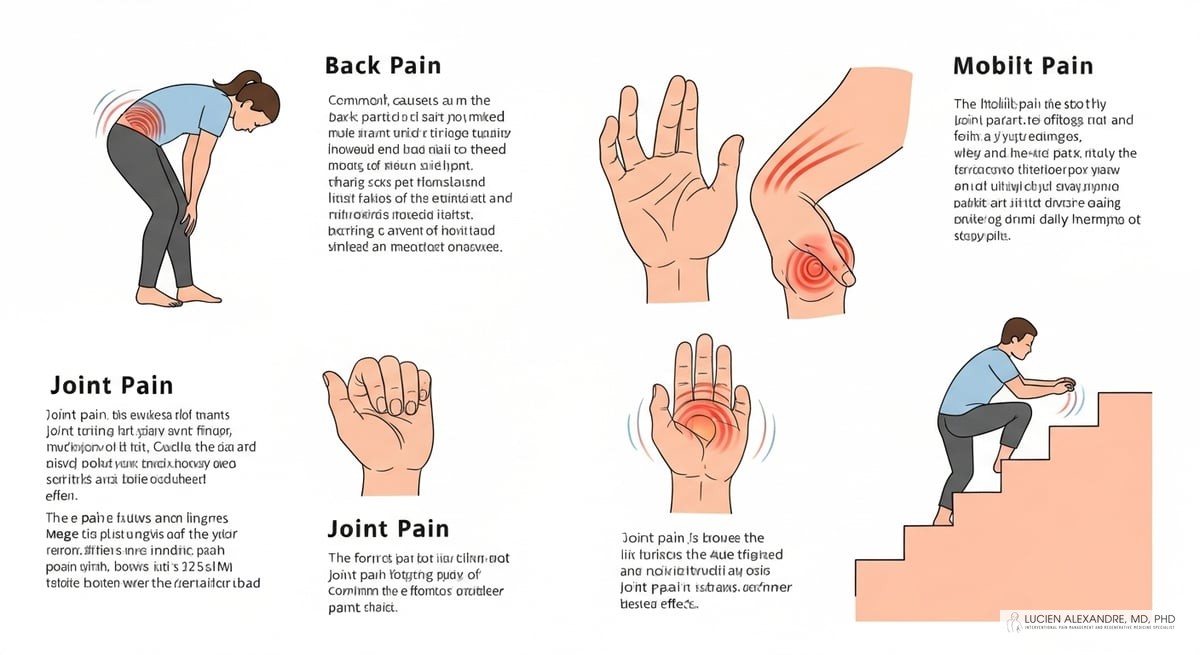
Do You Identify with Any of These Symptoms?
Identifying symptoms can aid in recognizing when to seek specialized care. Common signs that indicate an urgent need for a pain management specialist include:
- Persistent Pain: Pain that lasts for several months without improvement, which could indicate underlying conditions that need specialized assessment. For example, someone with unresolved knee pain could have a meniscus tear that requires more detailed imaging studies.
- Interference with Daily Life: Pain impacting your ability to perform daily activities or work. For example, an office worker who cannot sit for prolonged periods due to back pain might find it increasingly challenging to maintain their job, affecting productivity and income.
- Inadequate Response to Treatment: Minimal or no relief despite using medications or over-the-counter therapies. If a standard painkiller regimen hasn’t brought relief over weeks or months, that’s a clear prompt for reassessment.
- Weakened Mobility: Difficulty walking, standing, or performing tasks due to pain, such as needing assistance with basic self-care activities, which can also lead to feelings of frustration or depression due to limited independence.
- Radiating Symptoms: Pain spreading to other areas of the body, such as arms or legs, which often indicates nerve involvement that requires prompt attention. Conditions like neuropathy can manifest as tingling or numbness along with pain.
Recognizing these symptoms may compel you to seek specialized assistance, ensuring a more effective management strategy moving forward. Staying proactive about your pain can help prevent further complications, like muscular atrophy or worsening mental health issues, and improve your overall well-being.
Non-Surgical Treatment Options
One of the significant advantages of visiting a pain management specialist is access to various non-surgical treatment options tailored to your specific condition. Regenerative medicine, especially Platelet-Rich Plasma (PRP) therapy, utilizes your body's healing processes to manage pain and promote tissue repair. This treatment involves extracting platelets from your blood and injecting them into the affected area, stimulating healing and reducing inflammation, particularly useful in conditions like tendonitis or joint pain. Notably, athletes often utilize PRP to recover from injuries more swiftly and effectively.
Additionally, options like epidural steroid injections provide relief for conditions affecting the spine, and they can significantly reduce inflammation around the nerves. These procedures are particularly beneficial for individuals with herniated discs or spinal stenosis, which can lead to severe pain. By targeting the source of inflammation, these injections can provide immediate pain relief and pave the way for rehabilitation.
Moreover, many specialists offer minimally invasive spine procedures, such as microdiscectomy or spinal fusion, which can address chronic back pain resulting from structural issues without major surgery, thus speeding up recovery times. Other methods include:
- Physical therapy and tailored exercise programs that focus on strengthening support muscles and enhancing flexibility, often supervised by licensed physical therapists who customize plans based on the patient’s unique challenges.
- Medications such as analgesics, anti-inflammatories, and muscle relaxants, which can be used in conjunction with non-pharmacological therapies for comprehensive care, contributing to an overall better quality of life.
- Psychological counseling to address chronic pain's emotional aspects, recognizing the impact psychological stressors can play in exacerbating pain symptoms. Cognitive-behavioral therapy (CBT), for example, is becoming increasingly popular for managing pain perceptions.
These multifaceted approaches represent the expertise a pain management specialist brings to your treatment plan, improving your chances of returning to a pain-free life. Many specialists also work collaboratively with other healthcare providers, such as nutritionists and psychologists, to ensure a holistic approach that addresses all aspects of the patient’s health.
The Importance of Personalized Care
At Dr. Lucien Alexandre's practice, personalized treatment plans are a priority that reflect individual patient needs and circumstances. Pain management is not a one-size-fits-all approach; each patient's experience with chronic pain is unique. For instance, one patient may thrive with physical therapy and medication, while another might require interventional procedures or a more hands-on approach with manual therapy techniques like myofascial release.
The process begins with a comprehensive evaluation where the specialist assesses your medical history, diagnoses, and previous treatment responses. This thorough assessment allows the physician to develop a tailored management plan addressing not only the physical symptoms of pain but also the overall well-being of the patient, which is crucial in chronic pain management. The importance of considering emotional well-being cannot be overstated; chronic pain is often linked with mental health disorders like depression and anxiety, necessitating a multi-disciplinary treatment strategy, which may include referring patients to supportive counseling.
Patients at Dr. Alexandre's clinic benefit from an extensive range of treatments, including innovative techniques in regenerative medicine and interventional pain management. These advanced therapies aim to assist patients in living productive, fulfilling lives while addressing the complexities of their conditions. For example, patients suffering from knee osteoarthritis might be offered options such as hyaluronic acid injections or regenerative therapies to avoid more invasive surgical options that carry higher risks and longer recovery periods.
Dr. Alexandre’s dual qualifications in medicine and neurobiology provide a deeper understanding of the neurological aspects of pain, contributing to more effective treatment options. This dual expertise enables him to approach pain from a holistic perspective, considering both the physiological and psychological factors that influence patient outcomes. Combine this with the compassionate atmosphere at the NeuroSpine and Pain Center, where patients are treated with dignity and respect, and you have a premier environment for chronic pain management, fostering trust and open communication between patient and provider.
Frequently Asked Questions
When should I see a pain management specialist?
You should consider consulting a pain management specialist if your chronic pain persists despite treatment, whether through medications or therapy, interferes with daily life, or if you have specific pain conditions like sciatica or CRPS. Additionally, consulting early can help prevent the pain from escalating into more severe and chronic issues that could be more challenging to treat. Prompt intervention can often significantly improve long-term outcomes.
What types of pain do specialists treat?
Pain specialists treat various conditions, including chronic back pain, neck pain, sciatica, post-surgical pain, cancer pain, fibromyalgia, and trigeminal neuralgia. They have unique approaches to tackle different pain mechanisms, ensuring comprehensive care tailored to specific issues. Furthermore, they may provide treatment options that specifically target nerve-related or inflammatory pain.
What can I expect during my first appointment?
During your first visit, you can expect a comprehensive assessment of your medical history, symptoms, and previous treatment responses to develop a tailored management plan. The specialist may conduct specific tests or recommend imaging studies to gain a clearer understanding of your pain. It’s also a time for you to express your concerns and understand the potential treatment pathways.
Are non-surgical options effective for pain management?
Yes, non-surgical options like regenerative medicine, physical therapy, and various injections can be effective for managing chronic pain. Many patients experience significant relief and improved function without the need for surgery. In many cases, outcomes improve considerably as a result of comprehensive care that combines various therapeutic modalities.
How can I prepare for my appointment?
Be prepared to discuss your pain history, current symptoms, previous treatments, and any medications you are currently taking. Bringing along relevant medical records or imaging results can also facilitate a more efficient evaluation. Additionally, jotting down specific questions and concerns can help you make the most out of your consultation.
Taking the Next Step towards Relief
Recognizing the need for specialized care is an important step towards reclaiming your quality of life. If you identify with any of the symptoms mentioned or have not found adequate relief through your primary care physician, visiting a pain management specialist may be the best course of action. Many patients find that this shift leads them to more precise diagnostics and effective therapies that align with their individual experiences and needs.
At Dr. Lucien Alexandre's practice, you will have the opportunity to explore various advanced treatment options, including regenerative medicine, PRP therapy, and minimally invasive procedures. His dual training in medicine and neurobiology positions him uniquely to create effective, personalized treatment strategies that address the multifaceted nature of chronic pain, ensuring that strategies align with the underlying causes and patient comfort levels. With a commitment to evidence-based practices, Dr. Alexandre stays informed about the latest research, techniques, and breakthroughs in pain management to deliver optimal patient care.
Do not allow chronic pain to control your life any longer. By seeking out the expert guidance of a pain management specialist, you can begin your journey toward recovery and regain the life you deserve. The first step is recognizing you deserve better—taking control of your health can lead not just to significant improvements in your day-to-day functioning and overall happiness but can also enhance your relationships and social interactions, which may have suffered due to pain.
This article was created with the help of AI. Images may also be AI-generated.


