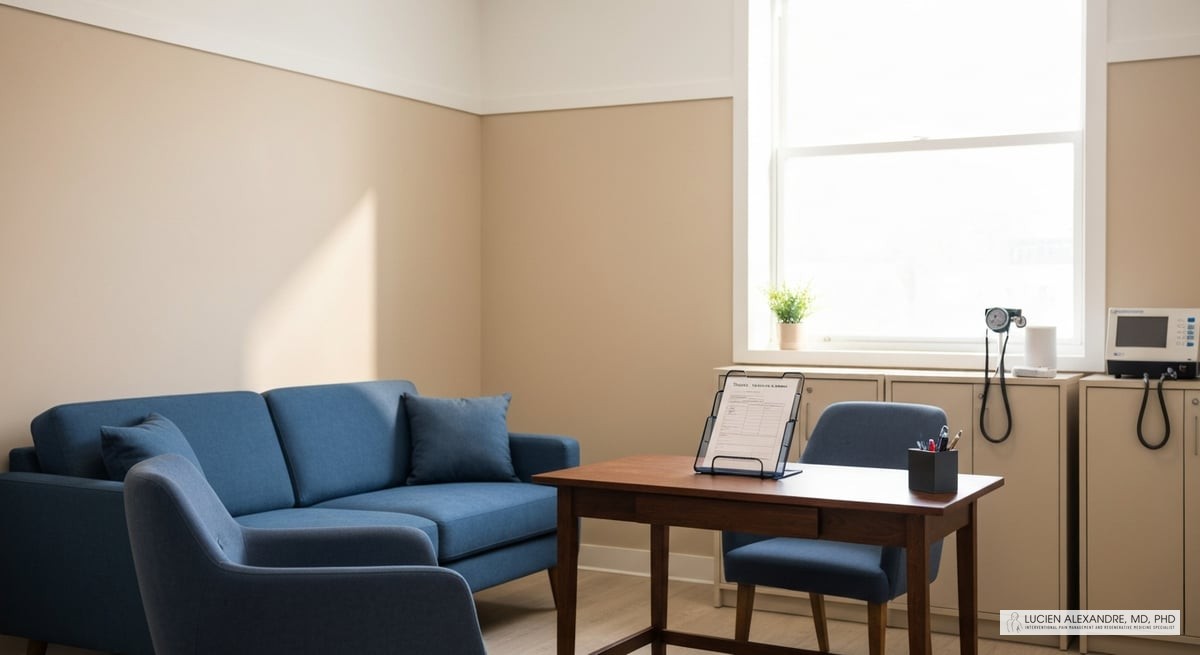
Your First Pain Management Appointment
Understanding What to Expect and How to Prepare
What Happens During Your Initial Appointment?
To ensure a productive first appointment, it is important to be prepared. Here are some essential items to bring:
- Medical Records: Bring any pertinent documents, including previous imaging results, lab tests, and reports from other healthcare providers. Having these records on hand allows Dr. Alexandre to review your treatment history comprehensively, making it easier to formulate an effective plan going forward.
- Medication List: Prepare a list of all medications you currently take, including over-the-counter drugs and supplements. Include dosages and frequency to give a clear picture of your medication regimen. This is crucial, as certain medications can interact in ways that may affect your treatment options or the efficacy of new medications prescribed.
- Symptoms Diary: If possible, maintain a diary of your pain symptoms leading up to the appointment. Note when pain occurs, its severity, and any triggers. You might find it helpful to include how long the pain lasts and what, if anything, alleviates it. This detailed account can serve as a valuable reference for Dr. Alexandre to pinpoint patterns or changes in your health.
- Questions: Prepare a list of questions you would like to ask Dr. Alexandre to clarify your treatment options and what to expect moving forward. Consider discussing potential side effects of treatments, timelines for relief, and what success looks like for you. This proactive approach can help you feel more engaged in your care.
Being organized will facilitate a smoother appointment and help ensure that no critical information is overlooked. Remember that the more detailed and honest you are about your pain and its impact on your daily life, the better equipped Dr. Alexandre will be to assist you.

What Should You Bring to Your Appointment?
During your first visit, if Dr. Alexandre determines that additional diagnostic testing is needed, he will guide you through the process. Common tests include:
- X-Rays: Essential for detecting bone fractures, arthritis, and other skeletal issues. For example, if you have chronic joint pain, X-rays can reveal wear and tear or any joint deformities that need to be addressed.
- MRIs: These provide detailed images of soft tissues, helping to identify disc herniations, tumors, and other concerns. An MRI may be particularly useful if there is suspicion of nerve impingement due to bulging discs that could be contributing to your symptoms.
- CT Scans: Useful for a comprehensive view of complex areas like the spine. CT scans can often provide more detail about bone and soft tissues than X-rays alone, especially in cases of trauma or complex fractures.
- Blood Tests: Sometimes required to rule out underlying medical conditions affecting pain. For instance, certain inflammatory markers may indicate conditions such as rheumatoid arthritis, which would significantly influence your treatment strategy.
Dr. Alexandre will explain the purpose and what to expect from each test recommended, ensuring you feel informed and comfortable throughout the process. Understanding how these tests contribute to your diagnosis can aid in your care and response to treatment options. Furthermore, being clear on what each test is aimed at diagnosing can help alleviate any anxiety you may have about potential results.
What to Expect from Diagnostic Testing?
After your initial evaluation and any necessary diagnostic testing, Dr. Alexandre will develop a personalized treatment plan tailored to your specific pain issues. This plan may include:
- Interventional Procedures: Options such as epidural steroid injections or nerve blocks may be recommended to reduce pain and inflammation. For instance, if a herniated disc is causing sciatica, an epidural injection can help alleviate pressure on the nerve root and provide significant relief.
- Regenerative Medicine: Treatments like PRP (Platelet-Rich Plasma) therapy aim to promote natural healing in affected areas and can be part of the plan. Evidence suggests that PRP can improve healing for conditions like osteoarthritis and tendon injuries by utilizing your body’s own growth factors.
- Physical Therapy: Referral to physical therapy may help strengthen muscles, improve mobility, and enhance overall recovery. A tailored physical therapy program can be crucial in addressing underlying issues and preventing re-injury.
- Medication Management: Adjustments to your pain management medications may also be discussed, focusing on safety and effectiveness. This could include transitioning to non-opioid medications or exploring topical pain relief options to minimize systemic side effects.
The plan will be comprehensive and integrated, aiming to address both immediate pain relief and long-term recovery. Dr. Alexandre emphasizes a conservative approach, often considering non-surgical solutions before recommending surgical interventions. This strategy not only focuses on pain alleviation but also on enhancing your overall functionality and quality of life.
Personalized Treatment Plans
Frequently Asked Questions are an excellent resource for patients to clarify concerns and understand what to expect. Some commonly posed questions at the first appointment might include:
- What should I wear to my pain management appointment? Wear comfortable clothing that allows easy access to the area of concern. It’s helpful for the doctor to perform a physical examination without restrictions, so consider wearing items that are easy to adjust. For example, if you are experiencing lower back pain, wearing loose-fitting pants may facilitate the examination.
- How long will my first appointment last? Most initial appointments last about 60 to 90 minutes, which allows for a thorough evaluation and discussion of your treatment plan. This time is essential not only for gathering your medical history but also for allowing you to ask questions and express any concerns thoroughly.
- Can I bring someone with me to my appointment? Yes, bringing a family member or friend can be beneficial. They can help you remember important details and provide support. Sometimes having a second pair of ears can be invaluable in understanding the information presented during the visit.
- What can I expect in terms of follow-up? Depending on your treatment plan, follow-up appointments will be scheduled to monitor your progress and adjust your treatment as needed. Consistent monitoring is vital in pain management to ensure that the plan remains effective and is fine-tuned as your condition evolves.
- Are there any costs involved for diagnostic tests? Many diagnostic tests may be covered by insurance. It is advisable to check with your insurance provider regarding your specific coverage, as being informed about costs can help you avoid surprises after your tests.
Frequently Asked Questions
What should I wear to my pain management appointment?
Wear comfortable clothing that allows easy access to the area of concern. It's helpful for the doctor to perform a physical examination without restrictions.
How long will my first appointment last?
Most initial appointments last about 60 to 90 minutes, which allows for a thorough evaluation and discussion of your treatment plan.
Can I bring someone with me to my appointment?
Yes, bringing a family member or friend can be beneficial. They can help you remember important details and provide support.
What can I expect in terms of follow-up?
Depending on your treatment plan, follow-up appointments will be scheduled to monitor your progress and adjust your treatment as needed.
Are there any costs involved for diagnostic tests?
Many diagnostic tests may be covered by insurance. It is advisable to check with your insurance provider regarding your specific coverage.
Next Steps After Your Appointment
Following your first pain management appointment, you will have a clearer understanding of your pain and a well-defined approach to treatment. Here are the typical next steps you can expect:
- Follow-Up: Your treatment plan will outline when you need to return for follow-up visits, which are important for monitoring your progress.
- Home Care Instructions: Dr. Alexandre may provide specific suggestions for managing symptoms at home, such as ice/heat application, activity modifications, or gentle stretches.
- Scheduling Tests: If any diagnostic tests were recommended, you should schedule them promptly to avoid delays in your treatment.
- Communication: Stay in touch with the office about your progress and any changes in your condition. Your feedback is essential for tailored adjustments to your treatment plan.
- Education: Understanding your condition and the treatment tactics being used will empower you to engage actively in your recovery process.
Approaching your pain management journey with clear communication and open dialogue with Dr. Alexandre ensures a supportive and comprehensive environment for healing.
This article was created with the help of AI. Images may also be AI-generated.


