
Can a Neurologist Treat Chronic Pain?
Understanding the Role of Neurology in Pain Management
The Role of Neurologists in Chronic Pain Management
Neurologists are specially trained to diagnose and treat conditions related to the nervous system, making them valuable assets in managing chronic pain. Chronic pain can stem from various neurological disorders such as neuropathy, headaches, and conditions like fibromyalgia. When you seek help from a neurologist, they perform a thorough evaluation to identify the underlying causes of your pain. This often includes a detailed discussion of your symptoms, medical history, and any previous treatment attempts, allowing the neurologist to form a comprehensive picture of your condition.
Chronic pain often requires a multifaceted approach, and neurologists utilize a combination of medical history assessments, neurological examinations, and advanced imaging techniques to accurately diagnose the issue. They may also incorporate lab tests that can measure inflammatory markers or hormone levels, which can contribute to your symptoms. The neurologist will not only focus on the painful area but will consider the whole nervous system and how it may be contributing to your discomfort. They may suggest treatments that include medication management, physical therapy, and advanced interventions such as nerve blocks or spinal injections, specifically targeting the areas where nerve dysfunction is suspected.
In many instances, neurologists work alongside other specialists, such as pain management experts, to ensure comprehensive care. This collaboration allows for a personalized treatment plan tailored to individual needs, focusing on pain relief and restoring function. For example, if a neurologist suspects that a patient's chronic pain is linked to a neurological disorder, they may coordinate with psychologists to provide cognitive-behavioral therapy, as it can play a crucial role in managing pain by addressing associated anxiety and depression.
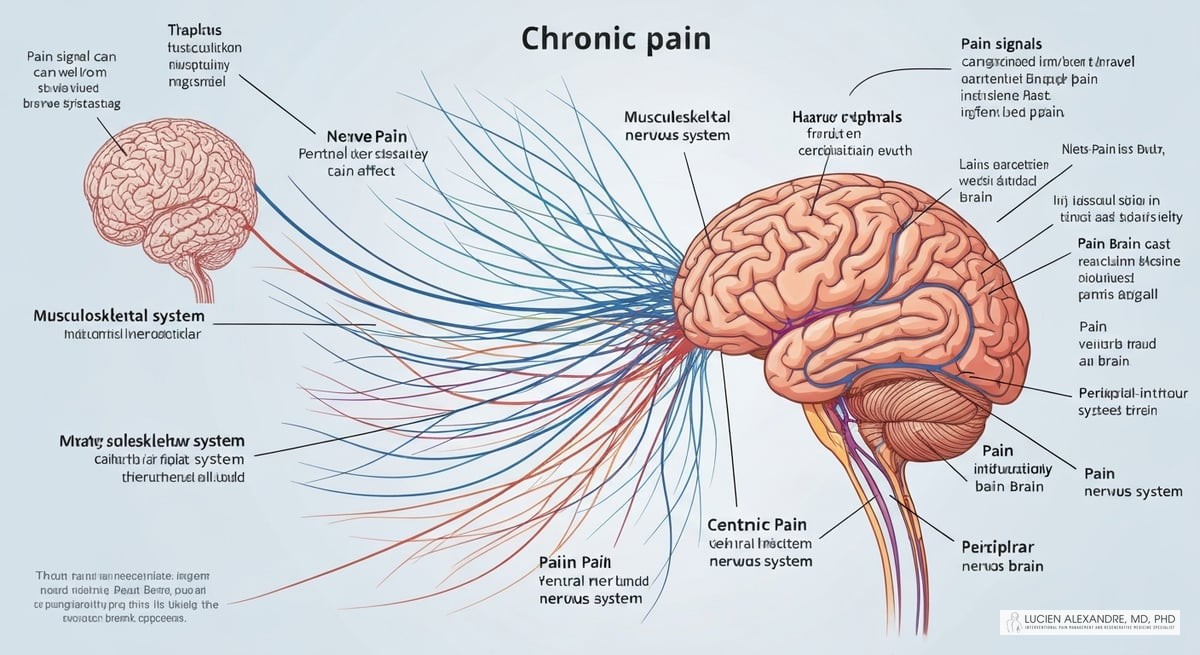
Understanding Chronic Pain
Chronic pain is defined as pain that lasts for three months or more and can arise from various factors, including injury, illness, or surgery. It can significantly impact your quality of life, leading to emotional distress, reduced mobility, and difficulty in performing everyday activities. Activities that once seemed effortless, like walking, lifting objects, or even sitting comfortably can become challenging, furthering the emotional burden of chronic pain.
Neurologists play an integral role in diagnosing chronic pain by ruling out or confirming conditions that affect the nervous system. By using tools such as MRI or CT scans, they can visualize the structures associated with your pain and determine the best course of action. These advanced imaging techniques can reveal issues such as herniated discs, tumors, or other lesions that may contribute to pain, allowing for targeted treatment options. Treatment modalities may include:
- Medications: Neurologists may prescribe analgesics, antidepressants, or anticonvulsants that specifically target nerve pain. Common medications include gabapentin for nerve pain or tricyclic antidepressants like amitriptyline, which can help with chronic pain as well as improve sleep.
- Physical Therapy: This approach can aid in strengthening the affected areas, reducing strain, and improving flexibility. A tailored physical therapy program can help restore function and may include specialized techniques like manual therapy or aquatic therapy for patients with mobility issues.
- Surgical Referrals: If necessary, neurologists can recommend surgical options, though they prioritize non-surgical methods whenever possible. In cases of severe nerve compression, surgical interventions such as carpal tunnel release or spinal decompression may become viable options when conservative treatments fail.
Each treatment plan is tailored to address both the physical and emotional components of chronic pain, emphasizing a holistic approach. Neurologists understand that effective pain management encompasses not only the physical sensation of pain but also the psychological factors influencing how patients experience their pain.

Why Choose a Neurologist for Chronic Pain?
Choosing a neurologist to manage your chronic pain offers several advantages. With their specialized training in the nervous system, neurologists can provide nuanced insights into how conditions are interrelated and what underlying factors may contribute to your pain. This comprehensive understanding enables the development of effective, individualized treatment strategies that are responsive to the complex nature of chronic pain conditions.
Another benefit of consulting a neurologist is access to cutting-edge diagnostic tools and treatments. Many neurologists, like Dr. Lucien Alexandre, employ state-of-the-art technologies in pain management, such as:
- Regenerative Medicine: This includes innovative treatments like Platelet-Rich Plasma (PRP) therapy, which utilizes your body's own healing properties to address pain. This treatment has gained traction for its potential to promote healing in tendons and joints affected by chronic pain.
- Minimally Invasive Procedures: Neurologists can perform techniques such as nerve blocks, which may provide rapid relief without the need for extensive recovery. These procedures are often performed in outpatient settings and involve minimal downtime.
- Epidural Steroid Injections: These can help reduce inflammation around the nerve roots and provide significant pain relief. This treatment can be particularly effective for conditions such as a herniated disc or spinal stenosis, allowing patients to participate more actively in rehabilitation efforts.
By choosing a neurologist from the outset, you ensure that your pain management journey incorporates an expert perspective on the integral relationship between chronic pain and neurological health. This foundational approach not only aims at alleviating pain but also enhances your overall quality of life by restoring functionality and promoting active engagement in daily activities.
Collaborative Pain Management Approaches
Effective pain management often requires a multidisciplinary approach. Neurologists may work collaboratively with various specialists, including physiatrists, physical therapists, and psychologists, to create a well-rounded treatment strategy. This approach acknowledges that chronic pain is not merely a physical issue; it is often intertwined with psychological, emotional, and social factors. Collaborative care can include regular team meetings where healthcare providers discuss patient progress and adjust treatment plans as necessary.
In a typical treatment scenario, a neurologist might focus on identifying the root causes of your pain and recommending initial treatment options. If further interventions are needed, they may refer you to a pain management specialist to explore advanced options such as:
- Interventional Pain Management: Techniques may involve nerve blocks or spinal cord stimulators tailored to alleviate pain selectively. These intervention methods can provide targeted relief that complements ongoing therapy.
- Psychological Counseling: Understanding the emotional aspect of chronic pain can significantly aid in treatment adherence and coping mechanisms. Cognitive-behavioral therapy (CBT) has been shown to be particularly effective in teaching patients to change their thought patterns and behaviors related to pain.
- Rehabilitative Therapy: Tailored physical therapy can strengthen weak areas and improve mobility, thus contributing to pain relief. Occupational therapists may also help in adapting daily activities to minimize pain triggers.
Ultimately, the collaborative model ensures all aspects of your health are addressed, leading to better long-term outcomes and improved quality of life. By leveraging the strengths of various specialists, patients can benefit from a comprehensive care strategy that addresses not only the pain itself but also the broader impacts on their mental and social well-being.
Frequently Asked Questions
What types of chronic pain can a neurologist treat?
Neurologists can address various types of chronic pain, including neuropathic pain, migraines, headaches, and pain stemming from neuropathies or injuries affecting the nervous system. Their expertise encompasses diverse conditions that directly involve the nervous system, ensuring a focused approach to treatment.
When should I see a neurologist for my pain?
If you are experiencing persistent pain that does not respond to standard treatments, or if you notice neurological symptoms such as numbness or weakness, it is essential to consult a neurologist. Early intervention can prevent further deterioration of neurological health and provide effective pain relief.
What diagnostic tests do neurologists use for chronic pain?
Neurologists commonly use MRI, CT scans, and electromyography (EMG) to assess the underlying causes of pain and to determine nerve function. These tests help them visualize the anatomy of the nervous system and identify any abnormalities that may be contributing to pain.
How does a neurologist differ from a pain management specialist?
While both address pain, neurologists focus on neurological causes, whereas pain management specialists typically concentrate on various pain relief techniques and therapies. Neurologists aim to understand the root cause of pain within the nervous system, while pain specialists may utilize a wider variety of interventions.
Do neurologists prescribe medications for chronic pain?
Yes, neurologists can prescribe various medications, including NSAIDs, antidepressants, and anticonvulsants, specifically tailored to manage different forms of chronic pain. They often consider the side effects and potential interactions of these medications in their treatment plans.
Next Steps: Consult a Neurologist
If you are considering seeking treatment for chronic pain, arranging a consultation with a neurologist like Dr. Lucien Alexandre could be a beneficial next step. During your appointment, a comprehensive evaluation will take place, including a thorough medical history and physical examination. This helps pinpoint the origin of your pain and facilitates a customized treatment approach tailored to your specific needs.
Dr. Alexandre’s practice at the NeuroSpine and Pain Center emphasizes a collaborative method, integrating the latest advancements in interventional pain management and neurological care. Options such as regenerative medicine and minimally invasive techniques may be available right at your first visit, making it convenient to start your treatment without unnecessary delays.
Your journey towards pain relief and improved quality of life is a priority. Neurologists are instrumental in creating individualized plans that encompass all dimensions of your health. They can provide education about your condition and its management, empowering you to take an active role in your treatment process. Don’t hesitate to reach out if you have queries or you are ready to take the first step towards managing your chronic pain effectively. The right support can significantly enhance your ability to cope with pain and improve your overall well-being.
This article was created with the help of AI. Images may also be AI-generated.


